27.10.2026
Station Wagon / Estate Car Rental in Poland: Space for Luggage and Comfort
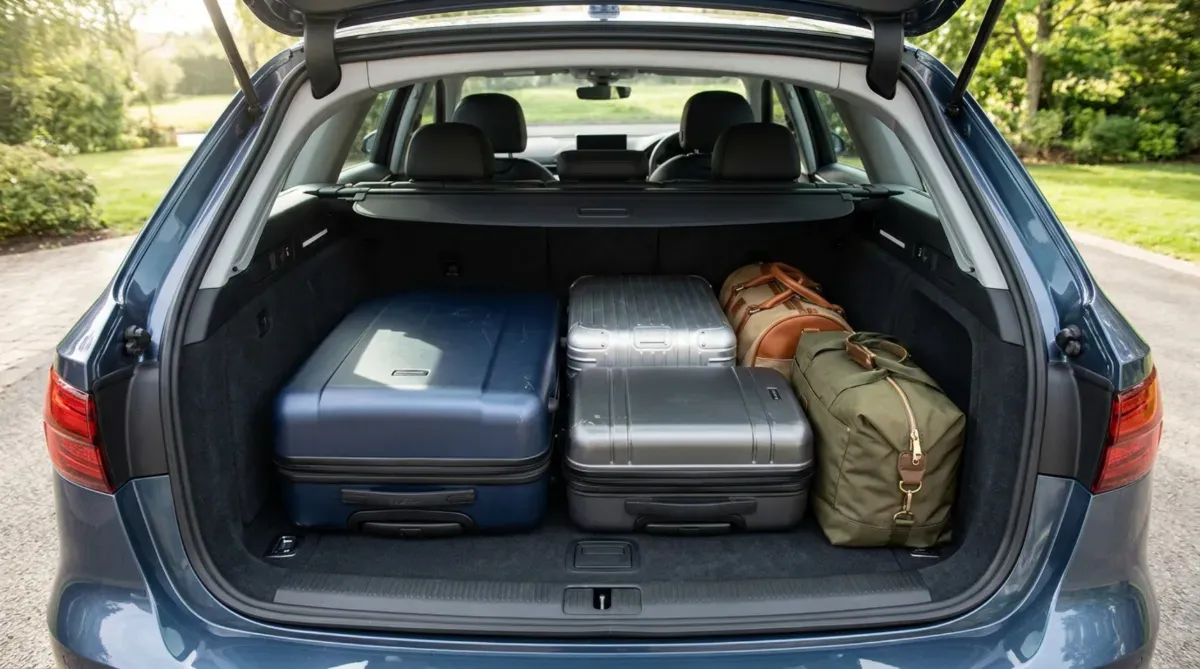
Which rental vehicle offers the best balance of generous luggage capacity and comfortable travel across Poland? A station wagon-commonly known as an estate car-delivers the easy handling and fuel economy of a standard car alongside an extended cargo area.
This makes it an ideal choice for a smooth journey across Polish motorways, scenic countryside routes, and city streets.
Station Wagon and Estate Car Rental in Poland: Who Should Choose These Cars?
Selecting the right vehicle sets the foundation for stress-free travel. For many visitors traveling across Poland, an estate car provides a practical balance between spaciousness and driveability. It offers considerably more cargo room than a compact city car while remaining easier to maneuver and park than a large SUV, allowing you to travel with confidence.
What Are Station Wagons and Estate Cars?
An estate car is a passenger vehicle featuring an extended roofline that stretches all the way to the rear tailgate. This design creates a larger, easier-to-load luggage compartment compared to a traditional sedan, while maintaining the familiar driving dynamics and comfort of a standard car.
Most car rental fleets in Poland utilize the standard ACRISS coding system. Within this framework, the second letter “W” designates a Wagon/Estate body style. This indicator confirms that the vehicle is designed for higher cargo capacity. Most modern estate models comfortably seat five passengers while accommodating roughly three large suitcases alongside several smaller bags.
Common estate models in modern car rental fleets include:
Ford Focus Estate
Hyundai i30 Estate
Skoda Octavia Combi
Why Are Station Wagons Popular in Poland?
Estate cars suit the varied geography and travel conditions across Poland. From the Baltic coastline in the north to the Masurian Lake District in the east and the Tatra Mountains in the south, road trips often require covering substantial distances. You need a reliable vehicle that handles highways efficiently, navigates regional roads smoothly, and carries all passenger luggage without compromise.
Compared to larger SUVs and passenger vans, estate cars typically offer better fuel economy and simpler handling in urban parking spaces. Compared to compact cars or sedans, they provide substantially more usable boot space. For cross-country travel, this blend of comfort and everyday utility remains hard to beat.
Who Benefits Most from Renting a Station Wagon or Estate Car?
Estate vehicles are particularly well-suited for several travel scenarios:
Families who require room for strollers, childcare essentials, and multiple suitcases.
Groups of friends exploring regional routes and historic cities like Kraków, Wrocław, or Gdańsk.
Winter sports enthusiasts traveling toward southern mountain resorts with bulky clothing and winter gear.
Business travelers transporting display materials, equipment, or extra luggage between appointments.
If your itinerary requires more than basic carry-on luggage and you value a relaxed, comfortable ride, an estate car is a dependable option.
[Browse the fleet and pick a spacious estate car]
Advantages of Renting a Station Wagon or Estate Car: Space for Luggage and Comfort
Travelers choose estate cars primarily for two core benefits: expansive luggage space and passenger comfort over long distances. These advantages ensure your journey remains smooth and comfortable from start to finish.
How Much Luggage Can a Station Wagon or Estate Car Hold?
While exact cargo dimensions vary by make and model, estate cars provide substantially more practical boot volume than standard sedans.
Representative boot capacities include:
Skoda Octavia Combi: approximately 640 liters with rear seats in place
Volkswagen Passat Variant: approximately 690 liters with seats up, expanding to roughly 1,920 liters with seats folded
Toyota Corolla Touring Sports: approximately 596 liters with seats up
In practice, this volume allows you to load roughly three full-sized suitcases plus carry-on bags while keeping the cargo beneath the luggage cover to maintain clear rear visibility.
When planning your load, consider the practical layout of the boot. Wheel arches or hybrid battery housings can slightly alter the usable load floor. Additionally, keeping luggage below the parcel shelf is essential for safe driving and clear rear visibility.
For family travel, keep these factors in mind:
Child safety seats take up significant width on the rear bench.
Installing two child seats typically restricts or eliminates the use of the middle rear seat.
Large strollers will occupy a significant portion of the primary boot floor.
Reviewing both passenger seating and luggage volume in advance ensures you pick the right vehicle class for your trip.
Passenger Comfort Features in Estate Cars
Estate cars are engineered for relaxed long-distance cruising. Models in the compact, intermediate, and standard classes often feature extended wheelbases that translate directly into generous rear legroom. For instance, a Volkswagen Passat Variant features a wheelbase of 2,837 mm compared to 2,686 mm on smaller compacts, giving taller passengers noticeable knee clearance on extended motorway drives.
Modern estate cars in rental fleets regularly include:
Well-insulated cabins for reduced road and wind noise
Ergonomic seating designed to reduce fatigue on long journeys
Efficient climate control and air conditioning systems
Modern infotainment featuring Apple CarPlay and Android Auto integration
Advanced driving aids, including cruise control and parking sensors
These features support a relaxed, controlled driving experience across city centers and major expressways alike.
Comparing Luggage Space Across Different Car Types
To help you choose the right category, here is how estate cars compare with other common rental classes:
Car type | Typical luggage space | Main pros | Main limits |
Mini / Economy | Small | Budget-friendly, highly maneuverable in tight cities | Very limited boot space for multiple bags |
Compact | Medium | Agile handling, economical on fuel | Cabin can feel cramped when fully loaded with bags |
Standard / Full-size sedan | Medium to large | Refined and comfortable on highways | Fixed trunk opening restricts bulky or irregular items |
Estate (station wagon) | Large and flexible | Exceptional cargo volume and comfortable passenger seating | Longer body length requires extra care when parallel parking |
SUV / Minivan | Large to very large | Elevated driving position, optional 7-9 seat layouts | Higher fuel consumption and larger overall footprint |
Estate cars provide a balanced middle ground: ample luggage room and cabin space without the added bulk or running costs of a large SUV.
Typical Uses for Estate and Station Wagon Rentals in Poland
Thanks to their versatility, estate cars serve a wide range of travel plans across Poland, whether you're traveling for leisure or business.
Family Travel and Road Trips
Traveling with family requires plenty of room for both passengers and belongings. Whether you're driving along major corridors like the A1, A2, or A4, having dedicated luggage room beneath the retractable cargo cover keeps the passenger cabin organized and comfortable.
This layout delivers clear travel benefits:
A clutter-free cabin with more legroom for all passengers
Relaxed, quiet travel on long motorway stretches
Safe stowage of heavy items securely in the dedicated cargo area
Business and Group Journeys
Corporate travel often involves carrying presentation gear, product samples, or extra equipment alongside personal luggage. An estate car accommodates these business essentials while maintaining a sleek, professional profile.
For small teams attending meetings or industry conferences, an estate car allows colleagues to travel together comfortably in a single vehicle.
Seasonal Needs: Winter Holidays and Summer Vacations
Poland experiences distinct seasonal travel demands, and estate vehicles adapt easily to both warm and cold weather conditions.
Winter travel (November-March): Provides space for winter gear, heavy boots, and winter clothing on trips toward Zakopane and the southern highlands. Quality winter tires are essential for safe driving in snowy or icy conditions.
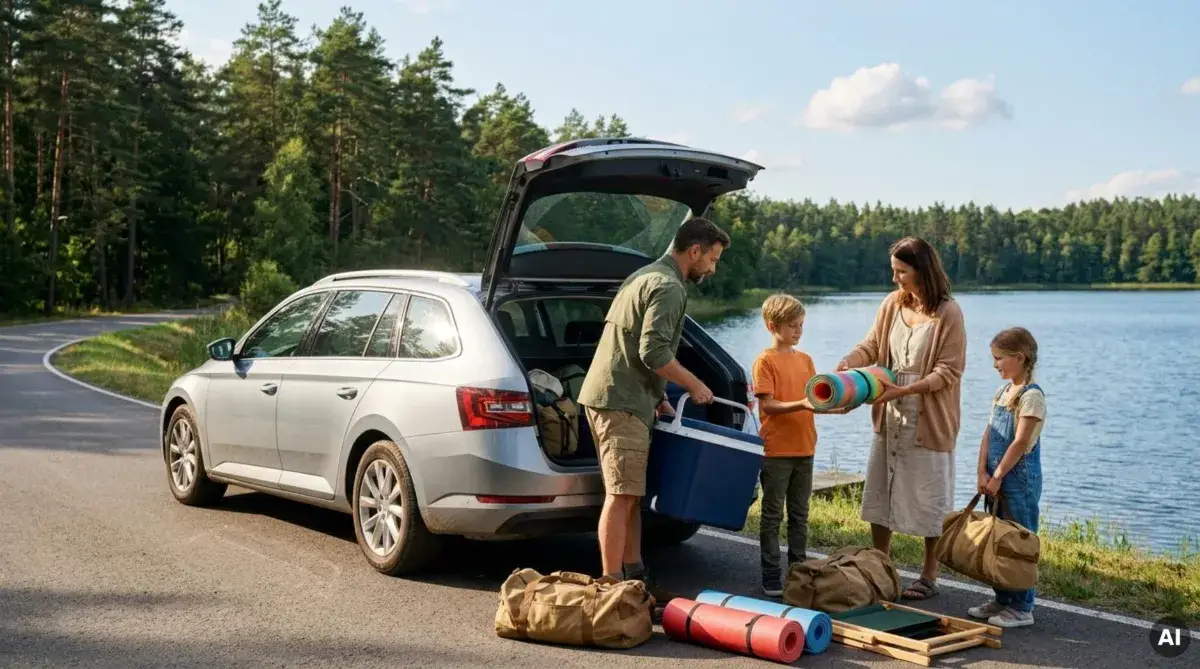
Summer vacations: Offers ample room for outdoor gear, beach supplies, and camping equipment for trips to the Masurian lakes or Baltic beaches.
How Estate Cars Compare to Other Rental Car Classes in Poland
Understanding the operational differences between car categories helps you select the vehicle that best matches your itinerary.
Station Wagon vs. Standard and Full-Size Cars
Standard and full-size sedans provide a quiet, comfortable ride on motorways and feature secure, enclosed trunks. However, the fixed opening of a sedan trunk restricts your ability to load tall or bulky items, such as large prams or sports equipment.
Estate cars offer an open, continuous cargo bay accessible via a wide rear tailgate. With split-folding rear seats, you can expand the cargo floor significantly, providing far greater packing flexibility for bulky luggage.
Estate Cars vs. SUVs and Minivans for Families and Groups
SUVs and passenger vans are popular options for larger groups, but they come with practical trade-offs:
SUVs: Offer an elevated seating position and higher ground clearance, but they generally consume more fuel and can be challenging to park in historic city centers with narrow lanes.
Minivans: Essential when transporting 7 to 9 passengers, but their large size requires extra attention when navigating tight urban garages.
If you don't need more than five seats, an estate car provides comparable boot room with the ease of driving a standard passenger vehicle.
Estates vs. Compact Cars: Comfort and Cargo Capacity
Compact hatchbacks are agile and easy to park, making them well-suited for solo travelers or couples visiting cities like Warsaw or Kraków with minimal luggage.
For longer journeys or travel with multiple passengers, an estate car offers clear advantages:
Substantially more legroom and shoulder room in the rear seats
Enough boot space to prevent bags from spilling into the passenger cabin
A smoother, more composed ride over long highway distances
[Add child seats and a second driver to your rental]
Key Features to Consider When Booking a Station Wagon or Estate Car
To ensure your rental matches your specific travel requirements, evaluate a few key specifications before completing your reservation.
Number of Seats and Interior Layout
Estate cars are typically categorized as five-seaters. While they easily accommodate two adults in the front and two or three children in the rear, seating three adults on the rear bench for long drives can feel snug across the shoulders.
If your group consists of four or five adults, choosing an intermediate or standard estate class ensures maximum cabin width and rear legroom.
Remember that child safety seats reduce usable seat width:
Installing two child seats usually leaves the center rear seat unusable for an adult.
A five-passenger vehicle effectively becomes a comfortable four-person car when child seats are installed.
A five-passenger vehicle effectively becomes a comfortable four-person car when child seats are installed.
Onboard Equipment: GPS, Air Conditioning, and Other Amenities
Modern rental fleets across Poland are equipped with essential comfort and safety technology. Air conditioning is standard across vehicle classes, and modern smartphone connectivity makes navigation straightforward.
Key equipment options to check during booking include:
Infotainment: Apple CarPlay and Android Auto compatibility for simple navigation and hands-free communication
Child safety seats: Reserve certified infant or booster seats in advance to ensure availability
Transmission: Confirm your preference for manual or automatic transmission during the reservation process
Parking aids: Rear parking sensors or cameras that simplify parking longer vehicles in tight spots
Practical Tips for Renting a Station Wagon or Estate Car in Poland
A few practical booking and driving guidelines will help keep your rental experience simple and transparent.
Is It Possible to Guarantee Specific Models or Luggage Space?
Car rental bookings in Poland generally secure a vehicle category rather than a specific make and model, indicated by the standard "or similar" designation. Booking a compact estate class guarantees an estate body type, which could be a Ford Focus Estate, Hyundai i30 Estate, or an equivalent model from the fleet.
While boot dimensions remain comparable across a category, minor differences can occur:
Interior trunk shapes and loading lip heights vary between manufacturers
Hybrid powertrains may slightly reduce underfloor storage compartments
If you know you'll be traveling with rigid, oversized luggage, it's wise to book one vehicle size class above your minimum requirement. Checking the ACRISS code confirms the body style via the letter W, while the first letter (such as C for Compact, I for Intermediate, or S for Standard) defines the vehicle's overall size class.
Driving and Parking Estate Cars in Polish Cities and Countryside
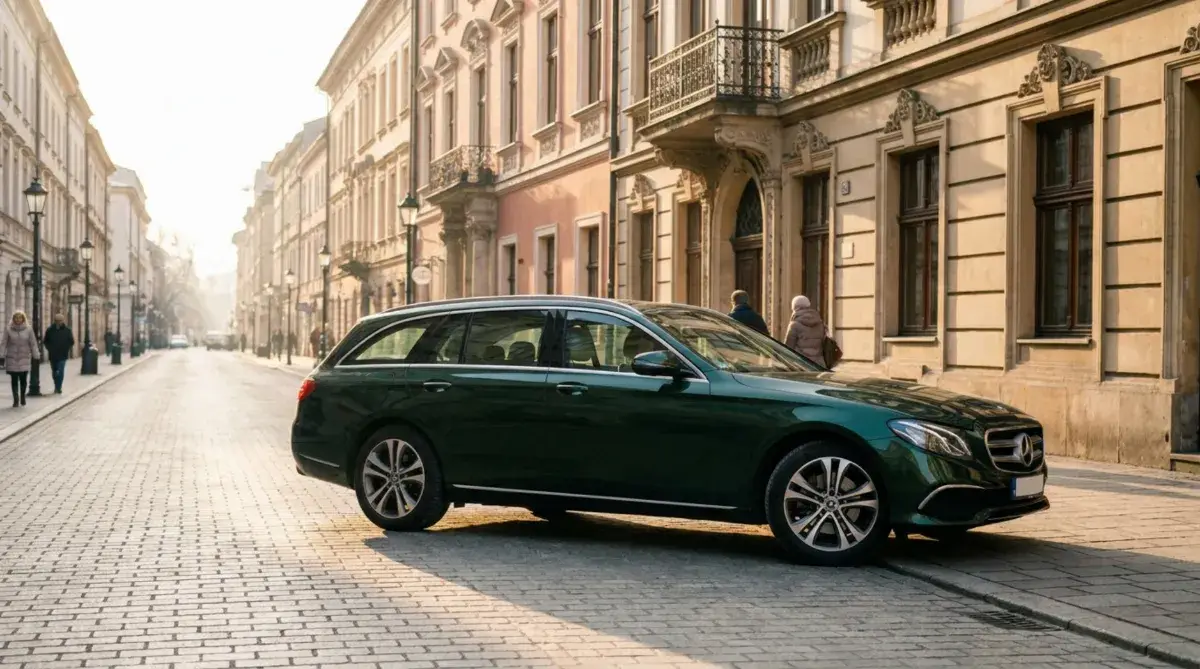
Estate cars offer excellent high-speed stability and comfort on national motorways, but their overall length requires extra awareness in dense urban environments. Historic central districts in cities such as Kraków, Gdańsk, and Wrocław feature narrow streets and compact parking spaces. Utilizing onboard parking sensors and cameras helps you maneuver into street bays with confidence.
Additionally, pay attention to local urban regulations. Polish cities continue implementing Clean Transport Zones (Strefy Czystego Transportu) to reduce emissions in urban cores, such as the operational zone in Kraków and expanding standards in Warsaw. Modern and well-maintained vehicles from reputable fleets comply with these emission standards, ensuring uninterrupted access to city centers.