21.10.2026
The Best Polish Road Trips: 7 Routes for Every Season
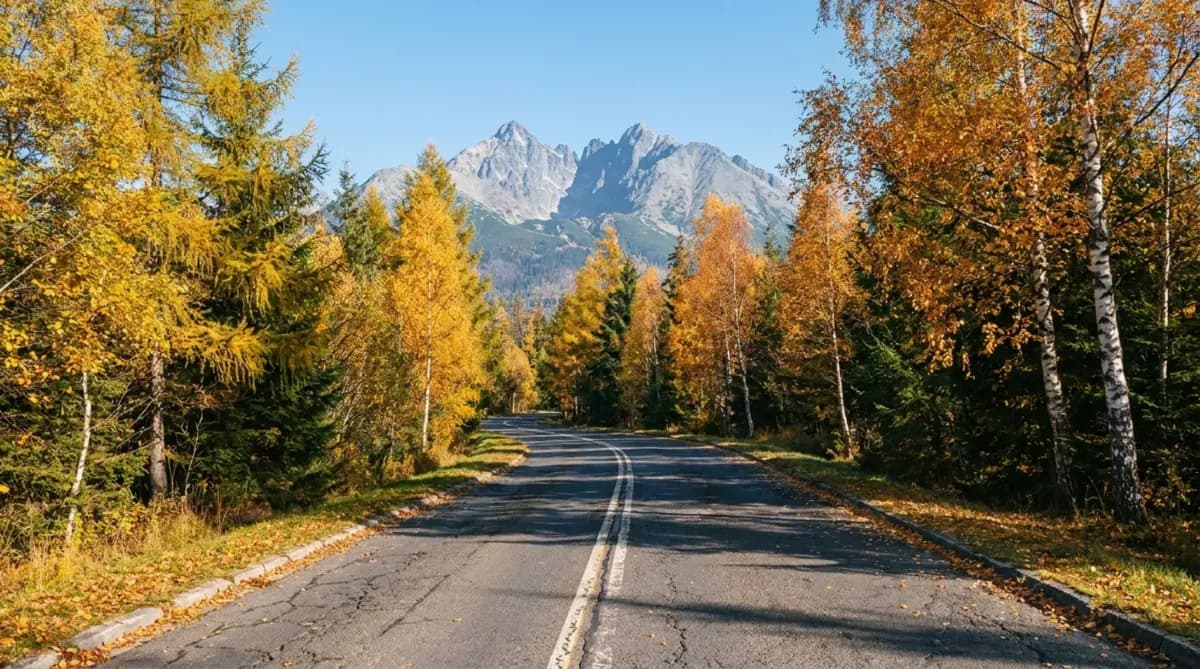
What are the best road trip routes in Poland for every season? From the alpine passes of the Tatras and the coastal roads of the Baltic to the historic castle trails of Lower Silesia, Poland offers an extensive network of modern highways and diverse scenic landscapes that make comfortable travel possible year-round.
What Makes Poland Ideal for Road Trips in Every Season?
Poland works exceptionally well for driving holidays because it combines varied geography with distinct regional cultures. Whatever the month, you can easily map a route that fits your travel style, offering a fresh landscape and unique atmosphere every day on the road.
Seasonal Landscapes and Regional Diversity
A single journey can take you past wide sandy beaches on the Baltic coast, through dense ancient forests, or high into rugged mountain peaks. Poland features 23 National Parks, over 1,300 lakes, and dozens of distinct mountain ranges. The Masurian Lake District provides calm waters, rolling hills, and quiet lakeside marinas, whereas the Bieszczady Mountains in the southeast offer remote, tranquil wilderness.
Poland also boasts hundreds of historic fortresses, from fully restored royal residences to atmospheric ruins. Coastal port cities like Gdańsk contrast sharply with the highland wooden architecture of Zakopane or the intricate bridges and market squares of Wrocław, ensuring your views change constantly as you drive.
Weather Patterns and Best Travel Periods
Poland has a temperate transitional climate with distinct seasonal shifts. Late spring (May to June) and early autumn (September to October) offer ideal driving conditions: mild temperatures, longer daylight hours, and lighter traffic. September and October bring the famous "Golden Polish Autumn" (Złota Polska Jesień), turning deciduous forests into vibrant displays of red and gold.
Summer (July and August) is warm and lively, making it ideal for coastal holidays and lake activities, though key destinations see higher visitor numbers. Winter brings colder temperatures and snow-particularly in the southern highlands-which creates excellent conditions for skiing in the Tatras and exploring traditional Christmas markets across major cities.
Polish Road Infrastructure and Driving Conditions
Driving in Poland is straightforward, supported by extensive infrastructure modernization. Drivers have access to nearly 5,500 km of motorways and expressways, connecting major metropolitan hubs and regional attractions smoothly while bypassing local town congestion.
Major routes are well-maintained and clearly marked, though rural roads can be narrower and require extra caution, especially during winter months when snow and ice affect higher elevations. Securing a reliable vehicle through a nationwide car rental service gives you the freedom to explore both modern motorways and scenic rural detours with total peace of mind.
[Hit the road with no mileage limit on rentals up to 30 days]
Essential Tips for Planning a Polish Road Trip
A well-prepared itinerary ensures a smooth journey from start to finish. Here are the essential practical details to arrange before setting out.
Choosing the Right Travel Season for Your Adventure
Every season offers distinct advantages. For hiking, city sightseeing, and outdoor exploration without high temperatures or heavy crowds, late spring and early autumn are ideal. If your plans focus on swimming, sailing, and beach relaxation along the Baltic or in Masuria, summer provides the warmest weather, though booking accommodations early is recommended. Winter is tailored for alpine sports and holiday festivities, but requires preparation for winter driving conditions in mountainous areas. Always monitor regional forecasts prior to departure, as highland weather can shift rapidly.
Car Rental, Documentation, and Local Regulations
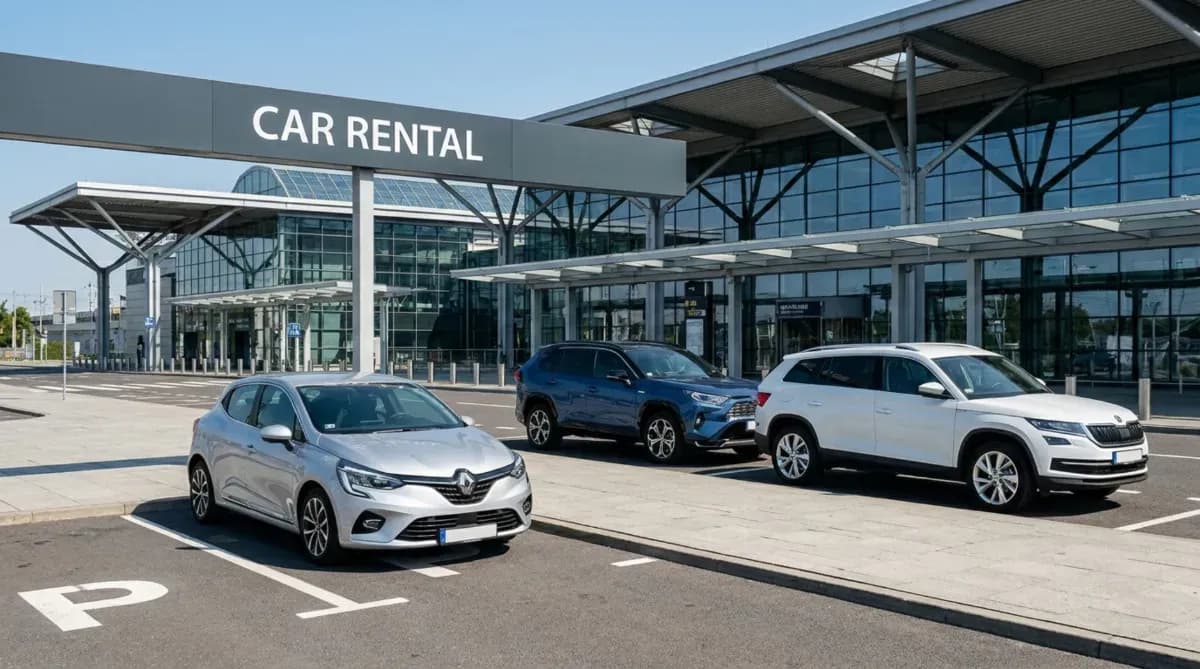
Renting a car in Poland is simple and efficient, with nationwide availability at major transit hubs, including Warsaw Chopin Airport (WAW) and Kraków John Paul II International Airport (KRK). Booking your rental car in advance helps secure the best vehicle category for your route.
To drive legally, you must carry a valid driving license, passport or national ID card, vehicle registration documents, and proof of third-party liability insurance. Drivers holding licenses issued outside the EU or EEA should carry an International Driving Permit (IDP) alongside their national license.
Polish regulations require vehicles to carry a reflective safety vest for each passenger, a warning triangle, and a certified fire extinguisher-standard equipment provided with reputable car rentals. If you plan to take your vehicle across national borders, ensure your rental agreement includes cross-border authorization.
Driving on Polish Roads: Motorways, Tolls, and Speed Limits
In Poland, traffic moves on the right, and standard international road signage is used throughout the country. Dipped headlights or daytime running lights must be illuminated at all times, day and night.
Standard speed limits are defined as follows:
Road type | Polish name/marking | Speed limit |
Motorway | Autostrada (“A”) | 140 km/h |
Dual-carriageway expressway | Droga ekspresowa (“S”) | 120 km/h |
Road outside built-up areas | Standard roads | 90 km/h |
Built-up areas (cities/towns) | City limits | 50 km/h |
Speed cameras and unmarked police vehicles operate across the network, making adherence to posted limits essential. The legal blood alcohol limit is strictly enforced at 0.02%, meaning the safest approach is to avoid alcohol entirely when driving. Tolls apply to specific sections of the A1, A2, and A4 motorways, payable via toll plazas or automated systems such as Autopay.
Many major expressways, including the S7 connecting Warsaw and Kraków, are toll-free for passenger vehicles under 3.5 tonnes. In city centers, paid parking zones (Strefa Płatnego Parkowania) operate during designated daytime hours; choosing accommodations with dedicated on-site parking simplifies city stays.
Packing Advice for Year-Round Trips
Weather conditions vary significantly between northern lowlands and southern elevations. Mountain towns like Zakopane are typically 5-10°C cooler than Kraków, and sudden rain showers can occur in alpine valleys. Pack versatile layers, a dependable waterproof jacket, and sturdy footwear suitable for both historic cobblestones and unpaved nature trails. Modest dress covering shoulders and knees is appropriate when visiting active religious landmarks such as St. Mary's Basilica or Wawel Cathedral.
Keep a mobile power bank and download offline maps in case mobile reception dips in deep valleys. While card and contactless payments are accepted almost everywhere, carrying 100-200 PLN in cash is helpful for small rural parking meters, restrooms, and local farm stands selling regional specialties like smoked oscypek cheese.
How to Choose the Best Route for Your Polish Road Trip?
Selecting the right route depends on your preferred travel pace, personal interests, and who is joining you on the journey.
Matching Routes to Traveler Interests: Nature, Cities, History
Poland offers tailored driving experiences for every preference. Nature enthusiasts will appreciate the dramatic alpine vistas of the Tatra Mountain Loop or the tranquil waterways along the Masurian Lake District Drive. History and architecture enthusiasts can explore century-old fortresses along the Lower Silesia Castle Trail or follow the Royal Cities Route between Poland's historic capitals.
If you prefer coastal breezes and maritime heritage, the Baltic Coastal Drive is the natural choice, while the Bieszczady Wilderness Drive delivers secluded mountain roads away from busy tourist centers.
Duration and Recommended Pace for Each Trip
Planning realistic daily driving segments lets you balance road time with local exploration. Compact routes such as the Tatra Mountain Loop (3 days/2 nights) or the Bieszczady Wilderness Drive (3-4 days) fit comfortably into a long weekend. Extended itineraries, such as the Baltic Coastal Drive (4 days/3 nights) or the Masurian Lake District Drive (4-5 days), allow for scenic detours and waterside stops.
Comprehensive journeys like the Royal Cities Route or Eastern Poland Heritage Circuit are best experienced over 5 to 7 days, leaving ample time for museum visits, regional dining, and relaxed sightseeing.
Accessibility and Family-Friendly Routes
Poland is well-suited for family road travel. Major urban centers feature accessible pedestrian zones, interactive science centers, and family-oriented amenities. The Baltic coast offers safe sandy beaches and lively promenades in towns like Sopot, while Masuria provides boat rentals and gentle forest paths.
In the southern highlands, family-friendly routes such as the flat Kościeliska Valley in Tatra National Park accommodate strollers and younger walkers. For amusement park entertainment, Energylandia-Poland's largest theme park-is located just an hour's drive west of Kraków. Selecting hotels with dedicated parking makes traveling with luggage and family gear effortless.
The Best Polish Road Trips: 7 Scenic Routes for Every Season
Here are seven curated road trips across Poland, each highlighting regional landmarks during their prime travel seasons.
1. Tatra Mountain Loop - Best for Summer and Fall
This route delivers dramatic views of Poland's highest peaks. Summer offers prime conditions for alpine trekking, while early autumn brings stable weather and striking golden foliage across the valleys.
Route Details and Recommended Itinerary
Starting from Kraków, this 320 km (200-mile) loop typically spans 3 days and 2 nights. The drive combines modern dual carriageways with winding submontane roads, taking you through traditional Podhale villages before climbing toward the high peaks and returning north.
Highlights: Zakopane, Morskie Oko, Tatra National Park
The Tatra range forms a protected UNESCO Biosphere Reserve. Zakopane serves as the regional hub, renowned for its distinct wooden architectural style and Goral traditions. A primary destination is Morskie Oko, an alpine lake framed by sheer granite cliffs. Tatra National Park provides a wide network of maintained hiking paths suitable for various fitness levels.
Must-See Stops and Local Experiences
In Zakopane, explore Krupówki street, ride the funicular railway up Mount Gubałówka for panoramic views of the ridge, and sample freshly grilled oscypek cheese. Experienced mountain hikers can tackle the trail to Rysy (2,500 m / 8,205 ft), Poland's highest summit.
Along the return drive, stop in Chochołów to admire its preserved 19th-century timber homes, visit the thermal mineral pools at Chochołowskie Termy, or take a traditional wooden raft excursion through the limestone cliffs of the Dunajec River Gorge.
[Start your mountain trip with a car from Kraków]
2. Baltic Coastal Drive - Perfect for Spring and Summer
Connecting historic port cities, vast sandy beaches, and protected coastal reserves, this northern journey is ideal during the warmer spring and summer months.
Route Details and Duration
Covering approximately 500 km (310 miles), this itinerary works best over 4 days and 3 nights. Starting in Gdańsk, the route heads west along the Baltic shoreline toward the German border, allowing for coastal detours and fresh seafood stops along the way.
Highlights: Gdańsk, Sopot, Hel Peninsula, Slowinski National Park
Gdańsk features a beautifully restored maritime Old Town with rich merchant history. Adjacent Sopot is famous for its lively seaside atmosphere and Europe's longest wooden pier. The narrow Hel Peninsula stretches into the Baltic, offering protected waters for windsurfing and quiet fishing harbors. Near Łeba, Słowiński National Park preserves massive, wind-shifted sand dunes reaching up to 40 meters in height.
Key Activities and Scenic Coastal Views
Stroll through Gdańsk's Long Market (Długi Targ), view the amber altars in St. Mary's Church, and explore modern exhibits at the Museum of the Second World War or the European Solidarity Centre. Walk the coastal trails across the moving dunes at Słowiński National Park, and conclude your drive in Świnoujście-a spa city situated on 44 islands featuring wide sandy beaches, historic coastal fortifications, and one of the Baltic's tallest brick lighthouses.
3. Lower Silesia Castle Trail - Ideal for Autumn
Lower Silesia boasts the highest concentration of palaces, underground complexes, and medieval strongholds in Poland. Autumn adds crisp air and colorful mountain backdrops to these historic estates.
Route Details Through the Sudetes
This 400 km (250-mile) itinerary spans 3 to 4 days, starting in Wrocław and winding through the rolling foothills of the Sudetes mountains. The route blends well-maintained regional roads with quiet country lanes, passing several historic estates that now operate as heritage hotels.
Highlights: Książ Castle, Wrocław, Medieval Towns
Wrocław serves as the cultural gateway, famous for its Oder River bridges, historic islands, and hundreds of whimsical bronze dwarf figurines. The trail's centerpiece is Książ Castle, Poland's third-largest fortress, perched above a wooded gorge with over 400 rooms and extensive underground tunnels constructed during World War II.
Historical Sites and Cultural Stops
Visit Czocha Castle, a 13th-century defensive stronghold featuring hidden doors and stone secret passages. Bolków Castle offers imposing Gothic ruins overlooking the surrounding valley. Returning to Wrocław, explore the historic Market Square, discover local legends on Cathedral Island (Ostrów Tumski), or take an evening river cruise along the Oder.
4. Masurian Lake District Drive - Best for Summer
Known as the land of a thousand lakes, Masuria is Poland's premier destination for sailing, kayaking, and relaxed waterside exploration during warm summer days.
Route Information and Suggested Itinerary
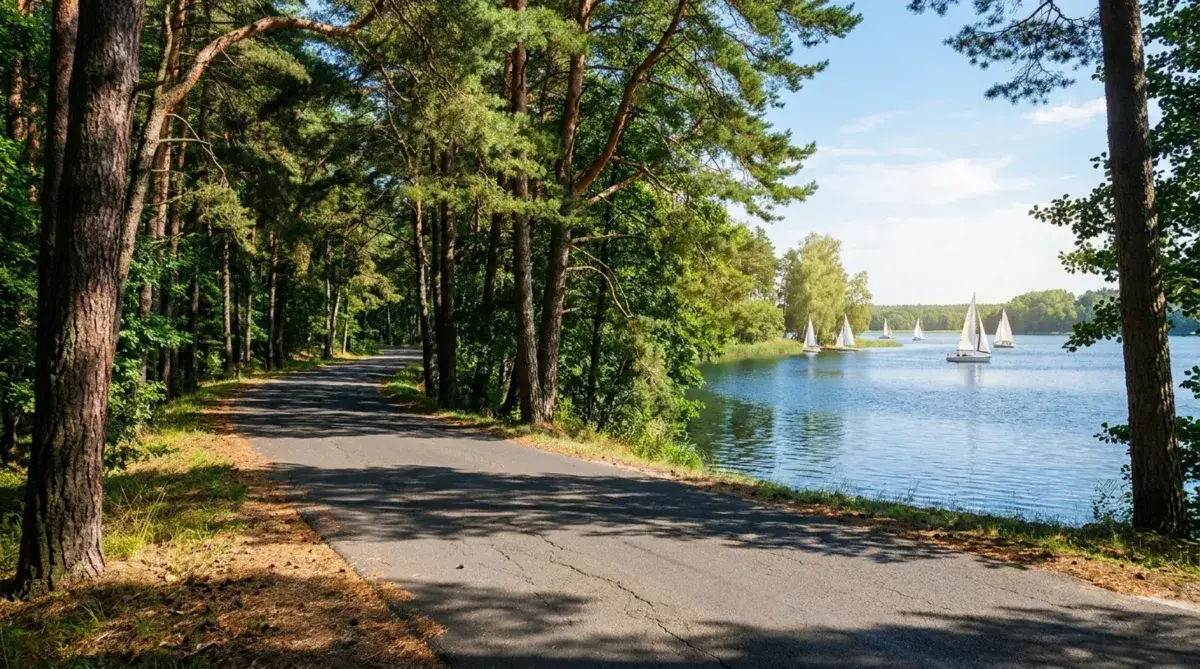
Covering around 320 km (200 miles), this route is ideally experienced over 4 to 5 days. Roads wind through dense pine canopies, linking interconnected lake systems, quiet farming hamlets, and historic canal networks.
Highlights: Giżycko, Mikołajki, Wolf’s Lair
Mikołajki is the primary sailing capital, situated on the shores of Lake Śniardwy, Poland's largest inland body of water. Giżycko serves as an active hub positioned between Lakes Niegocin and Kisajno, home to the 19th-century Boyen Fortress. For 20th-century history, explore the Wolf's Lair (Wolfsschanze) near Kętrzyn-the fortified wartime headquarters hidden deep in the forest.
Nature, Lakes, and Boating Opportunities
Take advantage of watercraft rentals, including sailboats, kayaks, and motorboats that can be operated without specialized permits on designated lakes. Sample fresh regional pike and vendace at lakeside taverns, or take a peaceful canoe trip down the Krutynia River, celebrated as one of the most picturesque inland paddling routes in Europe.
5. Bieszczady Wilderness Drive - Autumn and Spring Adventure
For empty mountain roads and untouched wilderness, the Bieszczady range in southeastern Poland offers a quiet alternative to higher-density tourist corridors.
Route Overview and Duration
Covering roughly 290 km (180 miles) over 3 to 4 days, this loop starts and concludes in the historic town of Sanok. The drive follows curving highland passes through one of Central Europe's least populated regions, making it ideal for self-guided exploration.
Highlights: Cisna, Ustrzyki Górne, Wooden Churches
Begin in Sanok with a visit to the open-air Folk Architecture Museum, illustrating the distinct heritage of the Boyko and Lemko peoples. Continue south into quiet mountain hamlets like Cisna, Wetlina, and Ustrzyki Górne, which offer rustic guesthouses and regional dining. Along the route, stop at UNESCO-listed wooden Orthodox and Greek Catholic churches that reflect the area's diverse cultural history.
Wildlife and Hiking Options
Bieszczady National Park features broad alpine ridges known as połoniny. Hike across the open crest of Połonina Wetlińska for panoramic valley views, or ascend Mount Tarnica (1,346 m / 4,415 ft), the region's highest point. The surrounding forests support thriving populations of European bison, wolves, lynx, and brown bears. Park entry is managed at marked trailheads where public parking is available before continuing on foot.
6. Royal Cities Route - All Seasons, Especially Winter
Connecting Poland's historic and modern urban centers, this route provides easy all-weather driving via modern expressways, making it an excellent winter itinerary filled with illuminated squares and seasonal events.
Route: Warsaw, Kraków, Wrocław, Poznań
This flexible itinerary links Warsaw, Kraków, Wrocław, and Poznań across high-capacity motorways and expressways. The S7 expressway provides a smooth, toll-free connection for passenger cars between Warsaw and Kraków, while the S8 links Wrocław back to the capital, allowing you to explore distinct regional identities comfortably.
Major Stops: UNESCO-Listed Old Towns, Architectural Gems
In Warsaw, tour the faithfully reconstructed Old Town, the Royal Castle, and the historic gardens of Łazienki Park. Kraków offers one of Europe's largest intact medieval market squares, the Wawel Royal Castle complex, and the historic Kazimierz district. Wrocław features Gothic architecture and picturesque canal crossings, while Poznań showcases its Renaissance Town Hall and celebrated mechanical clock goats.
Winter Festivals and Cultural Experiences
Winter transforms these historic centers with seasonal light displays, outdoor skating rinks, and vibrant Christmas markets in Kraków, Wrocław, and Poznań. World-class indoor museums-such as the Warsaw Rising Museum or Kraków's Rynek Underground-offer enriching cultural experiences regardless of outside temperatures. For travelers seeking gentle winter scenery, the nearby Silesian Beskids provide scenic submontane drives through towns like Bielsko-Biała, Żywiec, and Cieszyn.
7. Lublin and Eastern Poland Heritage Circuit - Spring and Early Autumn
Eastern Poland offers quiet regional routes, well-preserved historic settlements, and rare primeval ecosystems that are best enjoyed during mild spring and early autumn days.
Route Details and Key Towns
Beginning in Lublin, this 250-450 km loop spans 3 to 5 days, traveling along calm regional roads that encourage unhurried exploration. Key stops include Lublin, Kazimierz Dolny, and Zamość, with optional northern extensions toward Tykocin and Białowieża.
Highlights: Kazimierz Dolny, Lublin, Zamość
Lublin boasts a historic hilltop Old Town and 14th-century castle. Kazimierz Dolny sits picturesquely along the Vistula River, celebrated for its Renaissance architecture and artistic heritage. Further south, Zamość stands as a UNESCO-listed "ideal Renaissance town," designed on strict architectural principles with an expansive Great Market Square. To the north, Białowieża Forest preserves Europe's last remaining tracts of primeval lowland forest.
Cultural Landmarks and Regional Cuisine
Explore the limestone ravines and gentle vineyards of Roztocze, or visit the strict nature reserve of Białowieża National Park with an authorized local guide to view wild European bison herds. Along the route, discover traditional wooden architecture, historic synagogues, and sacred Orthodox sites like Holy Mount Grabarka. The region also parallels segments of the Green Velo cycling trail, making it easy to combine driving with short bike excursions.
Top Attractions and Unique Stops Along Polish Road Trips
Regardless of the specific route you follow, these standout cultural and natural landmarks integrate easily into a broader driving itinerary.
UNESCO World Heritage Sites on Route
Poland is home to 18 UNESCO World Heritage sites, many situated directly along major travel corridors. Key highlights include Kraków's Historic Centre, the subterranean chambers and salt-carved chapels of the Wieliczka Salt Mine, and the Auschwitz-Birkenau Memorial and Museum. In northern Poland, the brick fortress of Malbork Castle represents the world's largest castle by land area.
In Lower Silesia, the 17th-century timber-framed Churches of Peace in Świdnica and Jawor showcase exceptional engineering. The pristine ecosystems of Białowieża Forest and the mobile dunes of Słowiński National Park round out the country's natural heritage entries.
Traditional Villages and Local Food Experiences
Exploring Poland by car offers an exceptional culinary journey. Enjoy traditional handmade pierogi across every region, featuring both classic savory fillings and seasonal fruit options. In the southern highlands, look for fresh oscypek cheese served warm with cranberry preserves. In Kraków, sample traditional zapiekanka in the Kazimierz district.
Regional specialties continue with freshly caught lake fish in Masuria, smoked Baltic fish along the coast, and centuries-old spiced gingerbread in the medieval town of Toruń.
Outdoor Activities: Hiking, Boating, and More
Poland's diverse geography supports active outdoor pursuits throughout the year. Mountain lovers can explore established trails in the Tatras and Bieszczady, ranging from accessible valley paths to technical summit ascents. Masuria and the Augustów region provide exceptional water sports infrastructure for sailing, windsurfing, and multi-day kayak trips.
Traditional wooden punt rafting through the Dunajec River Gorge offers unique river views, while modern thermal bath complexes in Chochołów, Bukowina, and Białka Tatrzańska provide convenient relaxation after a day on the road.
[Choose an SUV for a long road trip]
Frequently Asked Questions About Polish Road Trips
Here are clear answers to the most common questions travelers ask when organizing a driving holiday in Poland.
Is Poland safe and easy to drive around?
Yes. Poland provides a modern, secure, and well-regulated driving environment. Ongoing investments have expanded the nationwide expressway network, and directional signage complies with standard European norms.
Drivers should maintain standard situational awareness on rural roads, adhere strictly to speed regulations, and remember the zero-tolerance alcohol limit of 0.02%. Planning your route in advance ensures a straightforward, comfortable travel experience.
What should you know about car rental in Poland?
Car rental services operate nationwide across major airports, central railway stations, and urban centers. Reserving your vehicle online before your trip ensures transparent rental terms, competitive rates, and the right vehicle class for your itinerary.
Standard requirements include a valid driving license (accompanied by an IDP if your license is issued outside the EU/EEA), passport or national ID, and standard insurance coverage. Rental vehicles are routinely outfitted with mandatory safety equipment, including warning triangles, reflective vests, and fire extinguishers.
Are scenic routes in Poland accessible year-round?
Most major scenic roads and highway connections remain open and well-serviced all year. High-altitude mountain passes in the Tatras and Bieszczady can experience winter closures or require winter-rated tires during heavy snowfall.
Seasonal thaws in early spring can temporarily affect unpaved paths leading into protected forest areas. Checking regional road updates and local national park notices before setting out ensures a safe, uninterrupted journey.
What are the most beautiful drives in Poland?
Poland's most scenic routes include the Oswald Balzer Road leading toward Morskie Oko in the Tatras, the winding Great Bieszczady Loop, and the coastal stretches along the Baltic Sea near the Hel Peninsula. The tree-lined routes winding between the Great Masurian Lakes and the historic castle circuit through Lower Silesia's Sudeten foothills also offer unforgettable driving scenery.
Poland combines remarkable historical depth, diverse natural landscapes, and modern roadway infrastructure at an accessible travel pace. Whether you are navigating submontane mountain passes, cruising along Baltic coastal routes, or touring historic royal cities, the freedom of the open road lets you experience the country with complete confidence. Choose your preferred route, select the right vehicle for your needs, and enjoy a smooth journey across Poland.