05.09.2026
Parking in Warsaw: A Foreign Driver's Survival Guide
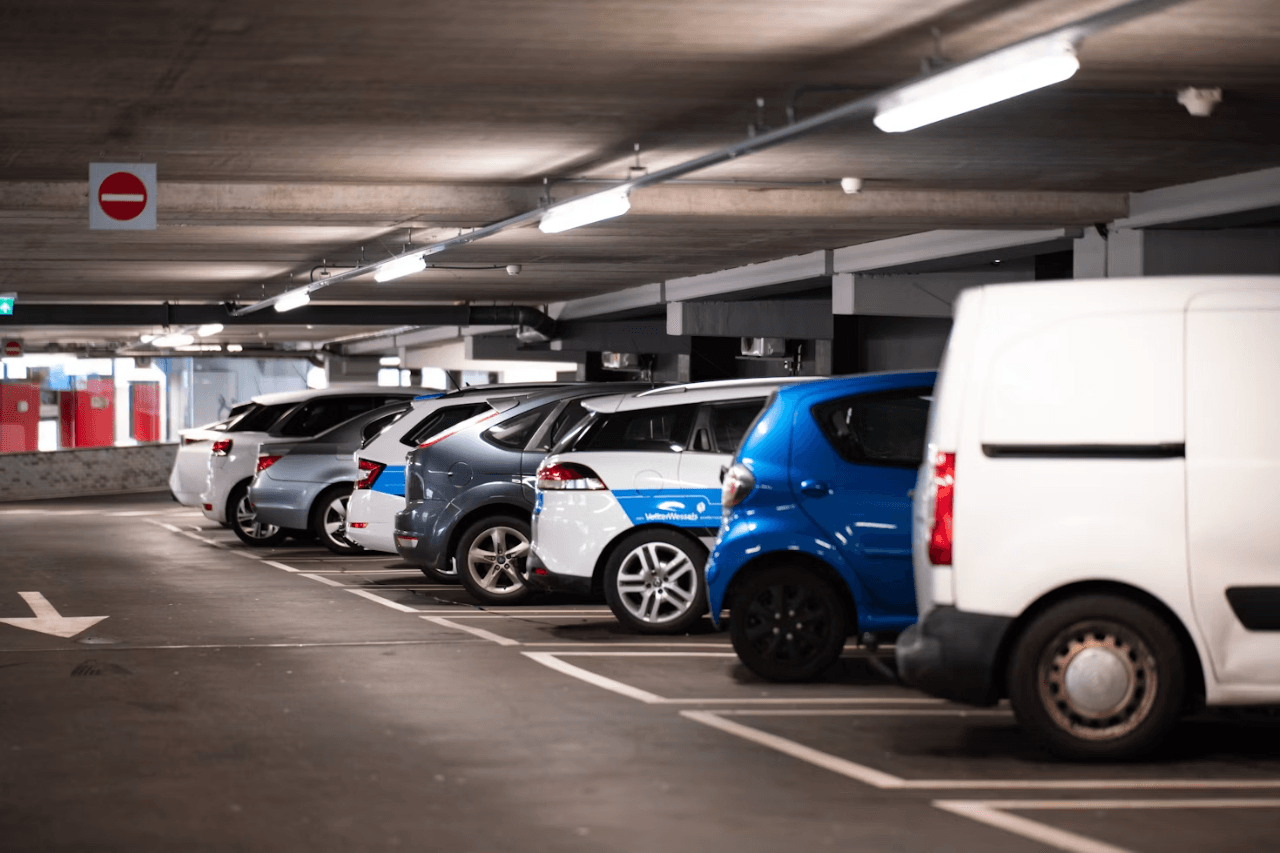
How do you park legally and avoid unexpected fines while driving in Warsaw? Parking in the Polish capital requires navigating automated camera enforcement, strict sidewalk clearance rules, and expanding paid parking zones across central districts.
This practical guide covers local regulations, payment apps, and parking alternatives so you can travel with confidence and enjoy a smooth journey.
Parking in Warsaw: What Foreign Drivers Need to Know First
What Makes Parking in Central Warsaw Challenging?
Central Warsaw combines dense commercial activity, narrow historic corridors, and protected pedestrian areas. The city center, particularly Śródmieście and the streets bordering the Royal Route, wasn't designed for today's volume of vehicles.
While broad avenues like Marszałkowska feature multiple traffic lanes, curbside space is tightly constrained. Locating an open bay between 9:00 AM and 5:00 PM on weekdays can be difficult, often forcing drivers to circle surrounding blocks while managing bus lanes, tram tracks, and delivery traffic.
Warsaw's municipal road authority, Zarząd Dróg Miejskich (ZDM), relies on automated digital enforcement. Specialized electric vehicles equipped with roof-mounted 360-degree cameras scan license plates in traffic and verify them against the central payment database within seconds.
Foreign plates don't grant any grace period. If you park in a paid space without registering your license plate at a meter or through an approved mobile app immediately, the system issues an administrative penalty linked to your vehicle registration or rental agreement.
Should You Drive or Use Public Transport in the City Center?
If your itinerary focuses solely on the central core-such as exploring the Old Town, visiting the Palace of Culture and Science, or walking along Nowy Świat-driving isn't your best option. Warsaw features an efficient, clean public transit network operated by WTP (Warszawski Transport Publiczny). With two metro lines, extensive tram coverage, and dedicated bus corridors, public transit is frequently faster and far more convenient than searching for central parking.
Having a reliable rental vehicle is much more advantageous when you venture beyond the center to destinations like Wilanów Palace, Kampinos National Park, the business hubs in Służewiec, or day trips to Żelazowa Wola. For downtown sightseeing, the most practical approach is leaving your car in a secure underground garage or an outer transit hub, then continuing on foot or by tram.
Plan Your Warsaw Parking Before You Drive
Check Official Parking Maps and Current Regulations
Warsaw's paid parking footprint regularly expands into neighboring residential and mixed-use districts. Before setting out, review the official ZDM portal (zdm.waw.pl) or the city's interactive maps. These resources display the active boundaries of the Unattended Paid Parking Zone (SPPN), scheduled roadworks, and seasonal detours.
Checking the municipal map beforehand prevents costly surprises. You might park on a quiet side street in Mokotów, Wola, or Praga-Północ assuming it's free, only to discover the neighborhood was recently integrated into the paid zone.
Official maps also outline designated loading zones, accessible bays, and temporary weekend pedestrian zones that restrict normal vehicular access during summer months.
Reserve Accommodation With Guaranteed Parking
A frequent travel oversight is booking a central hotel or boutique apartment in Śródmieście without confirming parking arrangements. Many historic pre-war tenements and compact downtown properties lack dedicated courtyards or underground garages. Relying on curbside availability often means hauling heavy luggage over stone walkways several hundred meters from your car.
When selecting your lodging, look for properties offering secure on-site parking or direct garage reservations. Central hotels typically charge between 60 PLN and 150 PLN per night for garage access. It's wise to contact the property ahead of time to verify garage ceiling clearance, especially if you're traveling in an SUV or using a roof box.
Compare Street Parking, Garages, and P+R for Your Itinerary
Match your parking choice to your daily schedule. Curbside street parking is practical for brief stops, such as visiting a café in Saska Kępa or attending a quick business appointment. However, hourly fees accumulate quickly, and cars parked on the street remain exposed to tight traffic conditions. Street parking isn't designed for all-day vehicle storage.
If you're spending several hours downtown, commercial underground facilities beneath commercial developments and shopping complexes offer monitored security, shelter from the weather, and predictable pricing. For full-day city exploration, Park and Ride (P+R) facilities on the city perimeter offer an economical, stress-free travel solution that keeps you clear of downtown congestion.
Where Can You Park in Warsaw?
Street Parking in the Paid Parking Zone
Designated street spaces throughout Warsaw's Unattended Paid Parking Zone (SPPN) are clearly demarcated by white surface lines or distinct curb paving. These spaces operate entirely on a self-service basis: park your car, note your license plate number, and activate your session via a curbside meter or an authorized mobile parking app.
Turnover fluctuates substantially throughout the day. Commuters occupy the bulk of central bays by mid-morning, while spaces gradually open in the late afternoon. Always check nearby signage for street-cleaning schedules, temporary construction notices, or market restrictions that could invalidate an otherwise legal spot.
Public Car Parks and Underground Garages
Warsaw offers an expanding network of underground and multi-story parking structures for drivers who prefer avoiding curbside searches. Notable locations include the public facility beneath Plac Powstańców Warszawy, parking garages at shopping centers like Złote Tarasy and Westfield Arkadia, and commercial lots surrounding the financial district.
These private facilities feature automated barriers, ticket dispensers, or automated plate recognition. They're well-lit and monitored around the clock. You pay for the precise duration of your stay at a payment terminal before returning to your car, eliminating the guesswork of street parking meters.
While hourly rates are generally higher than municipal street meters, the added convenience and vehicle protection make them worthwhile for modern and well-maintained vehicles.
Hotel, Apartment, and Private Parking
Private parking options in Warsaw range from enclosed residential garages to staffed outdoor surface lots designated as Parking Strzeżony (guarded parking). While guarded outdoor lots are less prevalent than in past decades, they still operate reliably throughout residential and secondary commercial districts, providing gated perimeters and on-site staff.
If you're renting a modern apartment in areas like Wilanów or Wola, your host will usually provide an assigned space within an underground garage accessed via an electronic fob or gate code. Always park strictly within the designated stall number. Using an unauthorized neighbor's bay can prompt building security to issue administrative fines or immobilize the vehicle.
Park and Ride Facilities Outside the Center
Operated by the public transit authority (WTP), the Parkuj i Jedź (Park and Ride) network intercepts incoming traffic along major commuter arteries. Situated directly beside metro stations, suburban rail hubs, and key tram loops, these monitored lots offer a convenient mobility solution for drivers entering the capital.
Positioned along principal entry corridors from Poznań, Kraków, Gdańsk, and Białystok, P+R lots are exceptionally economical for travelers planning to use public transportation throughout the day. Their entry and exit mechanisms integrate directly with the municipal transit ticketing system.
Park and Ride in Warsaw: A Safer Alternative to Center-City Parking
How Warsaw P+R Facilities Work
Warsaw's P+R facilities feature automated gate barriers. Upon entry, take a paper barcode ticket from the column terminal to raise the barrier, park in any available unmarked space, and proceed directly to the adjoining transit platform.
When you return, validate your parking session at the exit terminal using an accepted WTP transit ticket. If your transit pass meets the qualification standards, the exit barrier opens with no additional parking fee. The parking benefit is linked directly to your public transit usage.
Which Metro, Tram, and Rail Stations Offer Convenient P+R Access?
Warsaw operates over a dozen strategically located P+R facilities. Key transit hubs include:
P+R Metro Młociny: A large multi-level structure at the northern terminus of Metro Line 1 (M1), ideal for drivers arriving via the S7 expressway from Gdańsk and northern regions. The direct metro link reaches the city center in under 20 minutes.
P+R Metro Wilanowska: Situated in southern Warsaw along the Puławska corridor, providing rapid access for travelers arriving from the south, with immediate connections to Metro Line 1 and express tram routes.
P+R Metro Marymont: Positioned adjacent to the S8 Toruńska expressway, serving travelers entering from the northeast.
P+R Warszawa Stadion: Located east of the Vistula river near PGE Narodowy, offering swift access to Metro Line 2 (M2) and SKM urban rail lines for direct transit across the river into Śródmieście.
Using these transit hubs keeps you out of congested central corridors, sparing you complex multi-lane roundabouts, bicycle crosswalks, and pedestrian-heavy intersections.
What Tickets and Travel Documents Do Foreign Visitors Need?
To qualify for complimentary exit from a municipal P+R facility, you must present an eligible WTP transit ticket. Accepted formats include standard 24-hour day tickets (Bilet dobowy), 72-hour weekend tickets, group weekend passes, or a personalized long-term transit card (Warszawska Karta Miejska) valid for Zone 1 or Zones 1 and 2.
Standard single-transfer tickets (bilety jednorazowe przesiadkowe) and 20-minute short-trip tickets don't validate P+R parking. Inserting an ineligible ticket at the exit terminal will trigger a standard non-compliance parking charge, typically 100 PLN.
Always purchase a 24-hour or multi-day travel pass at the station vending machine before boarding your first train or tram.
When P+R Is Better Than Parking Near a Tourist Attraction
Selecting a P+R facility is particularly sensible when visiting multiple sights across the city in one day. Driving between the Warsaw Uprising Museum in Wola, Łazienki Park, and the historic center forces you to navigate heavy traffic, pay separate parking fees, and search for empty bays at every stop.
Leaving your car in a monitored P+R facility significantly reduces the chance of accidental vehicle scrapes or navigation errors. A family or travel group can use a single shared transit pass, leave their vehicle in a controlled environment, and navigate the city comfortably using rapid rail and tram connections.
How Warsaw's Paid Parking Zones Work
Standard Paid Parking Areas
Warsaw's primary municipal parking territory is designated as the Unattended Paid Parking Zone, or Strefa Płatnego Parkowania Niestrzeżonego (SPPN). It encompasses Śródmieście and broad sections of adjoining districts, including Wola, Ochota, Mokotów, Żoliborz, Praga-Północ, and Praga-Południe. Public street bays within this perimeter require active payment during regulated hours.
The SPPN structure encourages vehicle turnover for local businesses and prevents long-term commuter congestion. When driving within several kilometers of central Warsaw, assume that curbside parking requires payment unless road signs explicitly state otherwise.
The Central Paid Parking Zone and Its Stricter Rules
To ease congestion across the historic and financial core, the municipal council established the Downtown Paid Parking Zone, or Śródmiejska Strefa Płatnego Parkowania (ŚSPPN). This concentrated area covers primary commercial, governmental, and tourist streets, featuring higher hourly tariffs designed to curb non-essential vehicle traffic.
Enforcement within the downtown ŚSPPN is rigorous. The city monitors vehicle turnover closely, deploys mobile camera patrols with higher frequency, and enforces paid hours across extended periods. While the administrative penalty for non-payment matches the outer zone, the density of surveillance vehicles makes unpaid parking virtually impossible to overlook.
When Parking Fees Apply on Weekdays, Weekends, and Public Holidays
Understanding zone operational hours helps you manage parking costs and prevent citations. In the standard SPPN, payments are mandatory from Monday through Friday, between 8:00 AM and 8:00 PM. Outside these hours, parking in municipal street bays across the standard SPPN is free.
Within the downtown ŚSPPN, mandatory payment periods often extend to Saturdays and Sundays during identical daytime hours. Curbside parking is universally free across all municipal zones on official Polish public holidays, such as May 3 (Constitution Day), November 11 (Independence Day), and Christmas.
Always review the schedule displayed on the nearest parking meter, as operational rules can vary by zone.
How to Read Warsaw Parking Signs and Markings
The Polish Parking Sign and Supplementary Panels
The standard indicator for authorized parking in Poland is sign D-18: a blue rectangular sign displaying a bold white "P". On its own, it denotes legal parking for passenger vehicles parallel to the roadway, provided no other municipal restrictions apply.
In Warsaw, the D-18 sign is frequently accompanied by lower supplementary plaques, classified as "T" panels in the Polish traffic code. These panels display symbols, arrows, and concise text specifying mandatory vehicle positioning, user eligibility, or payment obligations. Overlooking these lower panels is the primary cause of parking fines among visiting drivers.
Blue Parking Signs, No-Parking Signs, and No-Stopping Signs
Recognizing standard European regulatory signs ensures compliance and peace of mind on the road:
Sign Designation | Visual Appearance | Legal Meaning in Poland |
D-18 (Parking) | Blue rectangle with a white "P" | Parking authorized, subject to any conditions on attached lower panels. |
B-35 (No Parking) | Blue disc with a red border and single diagonal red slash | Parking or waiting exceeding one minute is prohibited. Brief passenger drop-off is permitted. |
B-36 (No Stopping) | Blue disc with a red border and red "X" | All stopping is prohibited, even momentarily. |
When sign B-36 is accompanied by an auxiliary panel showing a tow truck hoisting a vehicle (sign T-24), any unauthorized car parked at that curb is subject to immediate towing at the driver's expense.
White, Blue, and Yellow Road Markings Near Parking Spaces
Pavement markings provide immediate visual instructions regarding bay usage. Standard parking stalls feature solid or broken white lines. Where solid white borders are marked, you must align your vehicle entirely within the boundaries without encroaching on driving lanes or pedestrian walkways.
Blue-painted bays are reserved strictly for motorists with qualifying physical disabilities. Parking in these stalls without a valid European disability permit incurs heavy penalties. Yellow pavement markings-including crosshatched envelope patterns (koperta) and zigzag curb lines-indicate restricted utility spaces reserved for emergency vehicles, diplomatic corps, municipal services, or commercial deliveries.
Polish Words That Foreign Drivers Should Recognize
Supplementary parking signs frequently feature standard Polish terms. Learning these key words will keep your travel simple and compliant:
Płatny: Paid parking. Payment is required during designated hours.
Dotyczy: Applies to. The stated rule or restriction applies specifically to the vehicle category named.
Nie dotyczy: Does not apply to. Excludes the specified group, such as Nie dotyczy ZDM or Nie dotyczy mieszkańców.
Mieszkańcy: Local residents. Indicates bays reserved for local residential permit holders.
Abonament or Abonament z identyfikatorem: Valid permit or subscription badge holders only.
Zaopatrzenie: Commercial deliveries or freight loading, often paired with active hours like w godz. 7:00-9:00.
Postój: Standing, waiting, or parking.
Koperta: Specially marked reserved stall, named after the envelope-style painted box.
How Arrows, Time Limits, and Permit Symbols Change the Rules
Directional arrows on regulatory parking signs clarify zone limits. An arrow pointing upward marks the beginning of the restriction. Double-headed arrows indicate you're within an active restricted zone, while a downward-pointing arrow indicates the termination of the restriction.
Auxiliary panels displaying clock faces or limits such as "max 15 min" or "do 30 min" define maximum allowable stopping times, primarily used for delivery access or school zones. A municipal district crest alongside the word Identyfikator means the bay is reserved exclusively for registered local residents who hold an official municipal permit.
Where You May and May Not Park in Warsaw
Parking on the Sidewalk and Pedestrian Access Rules
One distinct feature of the Polish Highway Code is that sidewalk parking is legal under clearly defined statutory conditions. Under Article 47 of the Polish Road Traffic Act, a passenger vehicle with a gross vehicle weight (GVW) not exceeding 2.5 tonnes may park with two or all four wheels on the sidewalk, provided the following criteria are met:
No prohibitive signs (B-35 or B-36) apply to that road segment. Crucially, the parked vehicle must leave at least 1.5 meters of unobstructed sidewalk clearance for pedestrians. Furthermore, the vehicle must not impede pedestrian traffic flow or obstruct vehicular access to adjacent gates and properties.
Auxiliary T-30 panels illustrate the exact required alignment: parking with all four wheels elevated on the walk, mounting two curbside wheels on the pavement, or parking diagonally with front wheels elevated. Never encroach on the 1.5-meter minimum path. Warsaw's municipal patrol (Straż Miejska) strictly monitors sidewalk accessibility and routinely tickets or clamps vehicles that restrict pedestrian movement.
Parking Near Intersections, Crossings, Tram Tracks, and Bus Stops
Key parking prohibitions apply automatically by Polish law without requiring individual road signs:
Pedestrian and cycle crossings: You must not stop or park within 10 meters before or after a pedestrian crosswalk or cycle crossing. On two-way roads with single lanes, this 10-meter clearance applies in both directions.
Intersections: Parking within 10 meters of any road junction or corner is strictly illegal, as it obscures lines of sight for turning traffic.
Public transit stops: Never park within 15 meters of a bus, tram, or trolleybus stop sign, nor along the length of a marked transit stop indentation.
Rail and tram tracks: You must keep transit lines unobstructed. Parking within 5 meters of tram rails or 10 meters of a railway grade crossing risks immediate towing and significant fines.
Parking in Residential Areas and Permit-Only Spaces
Many central neighborhoods employ protective residential parking policies under the Strefa Mieszkańca framework. Throughout narrow residential streets in Śródmieście, Mokotów, and Żoliborz, parking signage frequently states "Dotyczy posiadaczy abonamentu mieszkańca" (Applies to resident permit holders).
Short-term visitors and standard rental cars can't use these spaces, even if you attempt to pay at a meter. Parking in designated residential stalls without an authorized electronic permit or windshield identification code will lead to municipal enforcement and the placement of a wheel clamp on your vehicle.
Loading Bays, Taxi Spaces, and Electric Vehicle Spaces
Specialized urban bays have strict operational rules. Taxi ranks, marked by sign D-19 (Postój taksówek), are reserved exclusively for licensed commercial taxis; private motorists may not idle or park there. Dedicated loading zones (koperty dostawcze) are painted yellow and remain restricted for freight handling during posted hours.
Dedicated electric vehicle (EV) charging bays require equal care. Marked with green surface paint or plug pictograms, these stalls are reserved exclusively for electric and plug-in hybrid cars actively connected to a charger. Leaving a fully charged EV parked in a charging stall, or occupying it with a combustion engine vehicle, is a parking violation that can result in immediate impoundment.
Avoiding Blocked Driveways, Cycle Lanes, and Emergency Access Routes
Warsaw's bicycle network is extensive, with two-way segregated cycle paths often running directly parallel to curbside parking lanes. Obstructing a bicycle path, parking across its borders, or opening car doors into oncoming cyclists is a severe traffic hazard and moving violation. Always check your mirrors before opening doors or pulling across cycle tracks.
Historic downtown apartment buildings are accessed via vaulted carriage gateways known as bramy wjazdowe. Never obstruct these arched entrances or private garage ramps, even partially. Property managers promptly notify Straż Miejska, and obstructing vehicles are towed rapidly to maintain emergency access.
[Rent a car at Warsaw Chopin Airport]
How Much Does Parking in Warsaw Cost?
How Fees Vary by Parking Zone and Location
Parking rates vary depending on whether you park in municipal street bays, private commercial garages, or public transit facilities. The city uses a graduated tariff structure for street parking, where the cost per hour increases during the initial hours of your stay to discourage vehicle idling in commercial centers.
Curbside parking in Warsaw's standard SPPN remains reasonable compared to other major European capitals. The Downtown Paid Parking Zone (ŚSPPN) carries higher hourly tariffs to manage vehicle density in the core. Private underground garages set their own fee schedules, with premium rates near financial hubs, premier shopping centers, and historic landmarks.
Hourly Rates, Daily Limits, and Garage Charges
The municipal street tariff uses a progressive hourly rate for the initial three hours. While municipal authorities review pricing periodically, standard SPPN rates are typically structured as follows:
First hour: Approximately 4.50 PLN
Second hour: Approximately 5.40 PLN
Third hour: Approximately 6.40 PLN
Fourth and subsequent hours: Approximately 4.50 PLN per hour
Central commercial garages, such as those near Plac Defilad or the central railway station (Warszawa Centralna), charge between 8.00 PLN and 15.00 PLN per hour. Daily 24-hour caps in private facilities generally range from 80.00 PLN to 180.00 PLN, depending on location and security provisions.
Free Parking Periods and Common Exceptions
Street parking in the standard municipal SPPN is free on Saturdays, Sundays, and official Polish national holidays. It's also complimentary overnight between 8:00 PM and 8:00 AM on weekdays. A vehicle parked at 8:01 PM on Friday can legally remain in a standard SPPN bay without payment until 7:59 AM on Monday.
Under Polish national regulations, fully electric zero-emission vehicles (BEVs) are exempt from municipal street parking charges across Poland. If you're driving a foreign-registered or rental pure-electric vehicle, you can park in any standard SPPN street stall without paying. Note that this exemption doesn't extend to conventional hybrid or plug-in hybrid (PHEV) vehicles, which require standard payment.
How To Check Current Warsaw Parking Prices Before Arrival
Before beginning your drive, confirm active rate tables and zone perimeters directly on the ZDM portal at zdm.waw.pl. The authority updates boundary maps, current hourly rates, and standard administrative fees whenever changes take effect.
Navigation tools such as Google Maps, Apple Maps, and specialized parking applications also display up-to-date tariffs and availability for commercial underground structures, helping you budget your trip accurately.
How to Pay for Street Parking in Warsaw
Paying at a Parking Meter
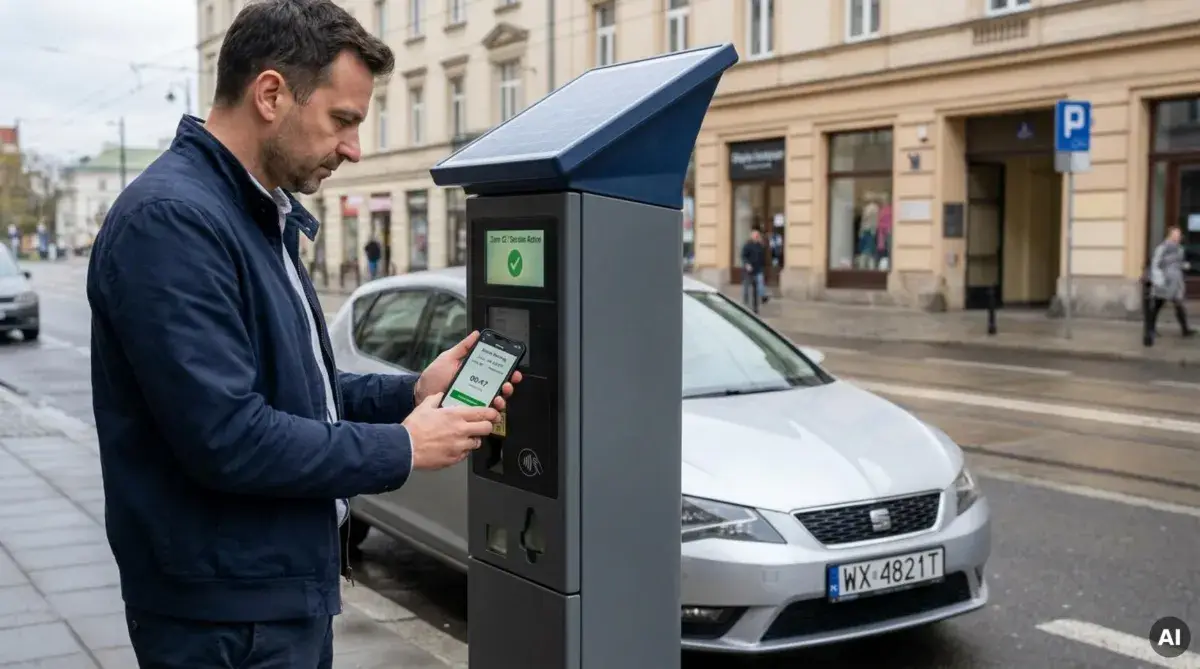
Physical parking meters (parkomaty) are positioned along streets throughout the SPPN. These modern terminals are solar-powered, feature intuitive multi-language interfaces (including English, German, and Ukrainian), and operate completely cashless in most locations, though some still accept standard coins.
Press any interface key to wake the display, select English, enter your vehicle's full license plate number, and pick your preferred payment method. Warsaw's meters accept contactless Visa and Mastercard debit or credit cards, Apple Pay, Google Pay, and Polish coins ranging from 10 groszy to 5 PLN. The terminal automatically computes your permitted stay based on the amount entered.
Paying With a Mobile Parking App
Using a mobile parking app is by far the most convenient payment method for foreign drivers. The municipal authority supports several reliable multi-city applications, including mPay, SkyCash, moBiLET, and Flowbird.
Mobile apps eliminate the need for local coins or physical visits to the meter in inclement weather. They also allow start-stop billing: simply activate your session when you step out of the car and conclude it when you return, ensuring you pay only for the exact minutes used.
What Information To Enter for a Foreign-Registered Vehicle
Whether paying via meter or an app, enter your registration plate with exact precision. Warsaw's automated e-Control enforcement vehicles rely entirely on optical character recognition that matches scanned plates directly against digital payment transactions.
When entering a foreign plate, type the alphanumeric sequence continuously without blank spaces, hyphens, or country codes. For instance, format a German plate like "B-MW 1234" simply as "BMW1234". Entering an incorrect letter or mistaking the numeral "0" for the letter "O" will prevent the system from matching your payment, triggering an automated citation.
Do You Need To Display a Paper Parking Ticket?
In Warsaw's municipal SPPN, you aren't required to display a paper ticket on your vehicle's dashboard. Enforcement is managed electronically through the central database via your registered license plate.
You can retain the paper receipt for your personal expense records. However, when using specific mobile payment apps, you may need a small dashboard badge or handwritten note displaying the app's name (such as "mPay" or "SkyCash") inside the windshield to alert foot patrols which platform to check.
What To Do When the Meter or Payment App Fails
If a nearby parking meter is out of service, displays an operational error, or declines your payment card, walk to the next closest terminal on the street. An inoperable meter doesn't grant free parking privileges.
If an app suffers network drops or transaction errors, try an alternative authorized app or buy a physical ticket at the nearest meter. If a terminal processes your funds without printing a receipt or confirming the session, take a clear photo of the error screen and note the machine ID number on the terminal casing to support any future inquiry.
How Parking Sessions, Extensions, and Refunds Work
A parking session purchased at a physical meter expires at the exact timestamp printed on the slip. To extend your time, you must buy an additional ticket at a terminal. Municipal meters don't issue refunds for unused time if you depart early.
Mobile applications provide significantly greater flexibility. You can extend your parking session remotely directly from your phone if a museum tour or business lunch runs late. Ending the session early stops billing immediately, keeping your parking straightforward and economical.
Parking Near Warsaw's Most Visited Areas
Old Town, Castle Square, and the Royal Route
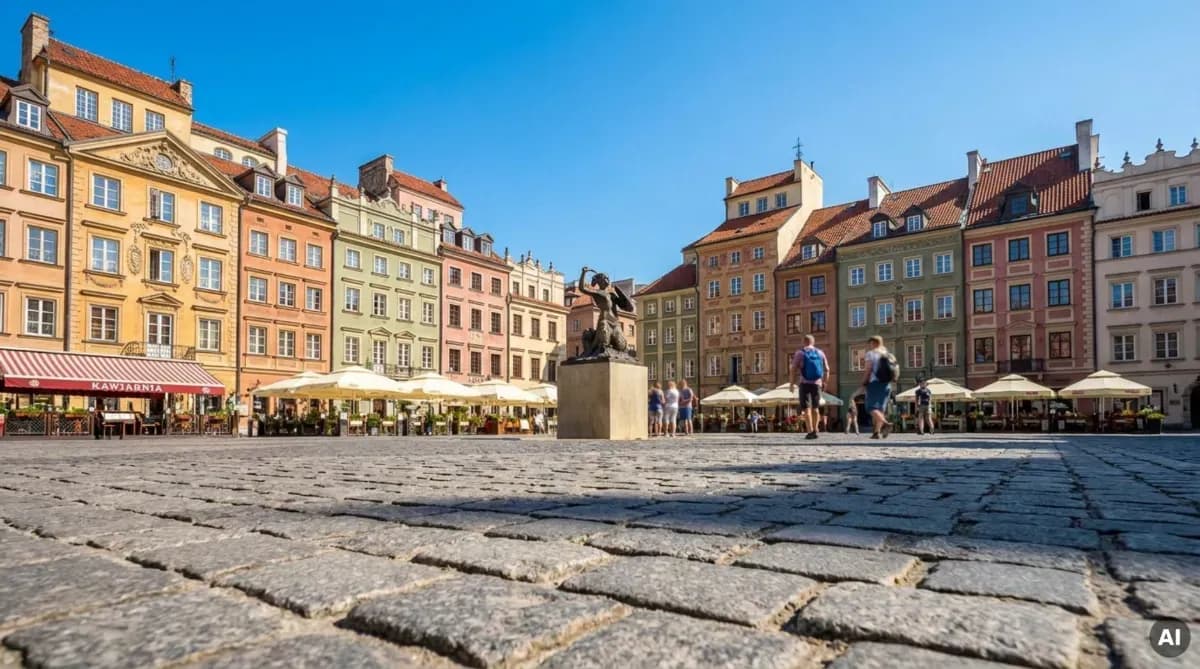
Warsaw's historic Old Town (Stare Miasto) and New Town (Nowe Miasto) are pedestrianized zones completely closed to general private traffic. The historic core uses automated retractable bollards, monitored entry points, and permit enforcement. Driving unauthorized through historic streets like Piwna or Świętojańska brings steep traffic penalties.
When visiting Castle Square and the Royal Route, park in facilities outside the historic perimeter. Excellent choices include the underground parking garage adjacent to the Royal Castle beneath the W-Z Route (accessed from Aleja Solidarności) and marked curbside stalls along Wybrzeże Gdańskie beside the river. Keep in mind that Krakowskie Przedmieście and Nowy Świat frequently turn into pedestrian promenades on summer weekends, closing all vehicle access.
Warsaw City Center and Nowy Świat
The bustling central area around Marszałkowska, Świętokrzyska, and Nowy Świat features curbside parking, but bays are heavily occupied throughout the day. Central traffic remains dense, and strict turn restrictions at major intersections make circling blocks time-consuming.
To avoid burning fuel while searching for curbside openings, head directly into an underground garage beneath a central commercial development. The underground facility below Plac Powstańców Warszawy and the multi-story structure at the Vitkac department store on Bracka Street offer direct walking access to top shopping and dining venues.
Palace of Culture and Science
The Palace of Culture and Science (PKiN) overlooks a massive open-air surface parking area on Plac Defilad, accessible from both Marszałkowska and Emilii Plater.
This lot is a commercial surface facility independent of the municipal SPPN, meaning standard street meter tickets and municipal parking apps aren't valid here. Take a barcode card at the entry gate and pay at an automated kiosk before returning to your vehicle. While hourly rates are slightly higher than municipal curbside meters, space is reliably available except during massive arena events or public holiday exhibitions.
Łazienki Park
Łazienki Królewskie is an expansive historic park located south of the central core. Motor vehicles aren't permitted within the park grounds, requiring visitors to park along the perimeter.
Look for municipal bays along Aleje Ujazdowskie, Parkowa, and Myśliwiecka. On sunny weekends, curbside spaces along Aleje Ujazdowskie fill early. A solid alternative is the paid surface lot near the northern gate by the Agrykola athletic complex, or parking further south along Gagarina Street and entering via the Belvedere Palace gates.
POLIN Museum and the Warsaw Uprising Museum
The POLIN Museum of the History of Polish Jews is situated within the quiet residential surroundings of Muranów. You'll find standard SPPN street parking on Anielewicza, Karmelicka, and Zamenhofa. Mornings offer good parking availability, though check curbside signage carefully to avoid bays reserved for neighborhood residents.
The Warsaw Uprising Museum is located in Wola, an area filled with modern corporate high-rises. Curbside spaces along Przyokopowa and Grzybowska fill quickly during business hours. When street parking is unavailable, utilize the underground garages within the adjacent Warsaw Spire or Towarowa complexes, both located just a short walk from the museum gates.
Copernicus Science Centre and the Vistula Boulevards
The Copernicus Science Centre and adjoining Vistula riverfront promenades are top destinations for families. The science center operates its own dedicated underground garage accessed via Wybrzeże Kościuszkowskie, though it reaches capacity early on weekends and school breaks.
If the museum garage is full, divert to the spacious underground facility at the nearby Elektrownia Powiśle retail complex. Its multi-level garage offers ample parking and sits just a three-minute stroll from both the riverside promenade and the museum.
Warsaw Chopin Airport and Modlin Airport
Warsaw Chopin Airport (WAW) sits within the city limits in Okęcie. Official multi-level garages P1, P2, and long-term P4 are situated directly opposite the main terminal. For quick passenger drop-offs, the airport provides a dedicated Kiss & Fly lane directly outside departures, free for stays under seven minutes. Exceeding this brief window triggers substantial tariffs, so use the short-term garages if you plan to accompany departing guests inside.
Warsaw Modlin Airport (WMI) is situated approximately 40 kilometers north of the city near Nowy Dwór Mazowiecki, serving low-cost carriers. On-site long-term lots, including Parking 1 and Parking 7, are located within walking distance or provide terminal shuttle vans. Several fenced, off-site park-and-fly facilities along access roads also provide economical long-term parking with quick transfers. If you're collecting a rental car at Chopin Airport, the pickup desk connects directly onto the ring road.
Parking a Rental Car or Foreign-Registered Vehicle
What Documents Should You Keep in the Car?
Motorists driving on Polish roads must carry standard vehicle compliance documentation. While Polish residents can rely on police electronic database checks for local licenses and insurance, this exemption does not extend to foreign drivers or foreign-registered cars.
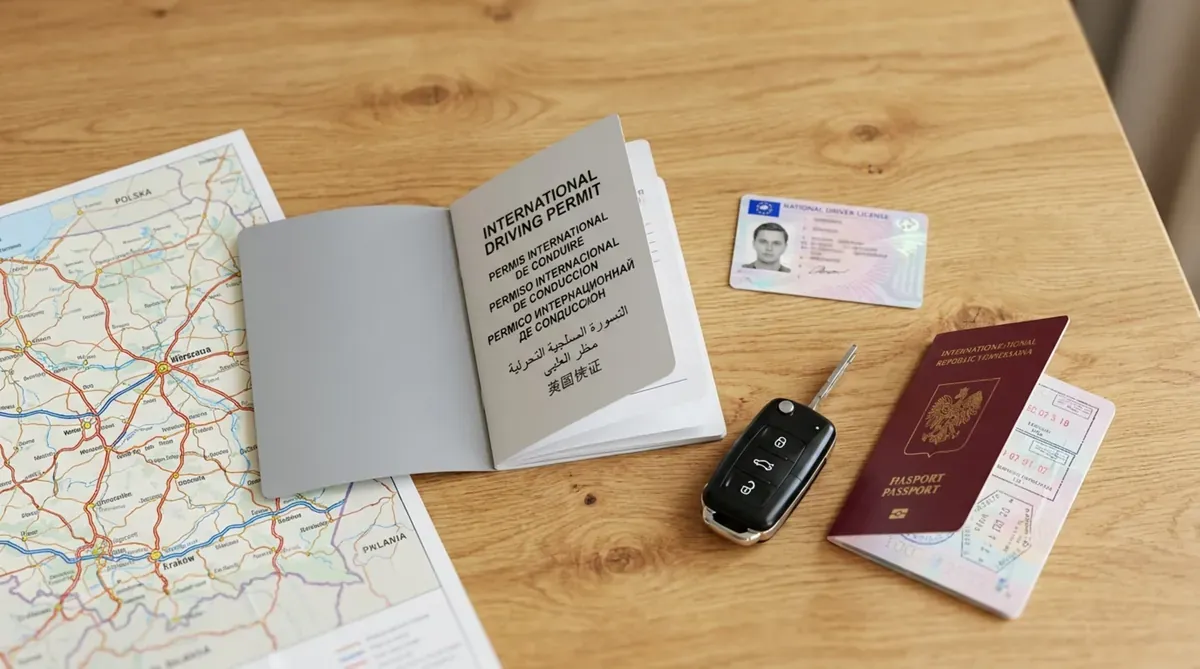
Ensure you keep the following documents in the vehicle: a valid driver's license, an International Driving Permit (IDP) if your license was issued outside the EU or EEA, the original vehicle registration certificate (Dowód Rejestracyjny), proof of valid third-party liability insurance (such as an international Green Card or standard European policy), and your official rental agreement if operating a hired vehicle.
Why Rental-Car Drivers Should Photograph the Parking Session
Car rental companies routinely process parking inquiries through automated administrative workflows, often adding processing fees ranging from 100 PLN to 250 PLN simply for providing driver details to municipal authorities. Settling disputes after returning home can become an expensive, drawn-out process.
Whenever you park a rental car, take three quick photos with your phone: one showing your vehicle centered within the marked stall lines, one displaying your license plate with the surrounding street context, and one showing your active digital app session or paper meter ticket. These time-stamped images provide definitive proof that you parked and paid correctly if an administrative error arises.
How Hotel Parking and Rental-Car Parking Rules Differ
A designated hotel drop-off bay isn't a standard parking space. Central hotels frequently feature short curbside lanes marked "Hotel Drop-Off" or "Dla Gości Hotelowych". These zones are intended strictly for loading luggage and active passenger check-in, typically restricted to 10 or 15 minutes.
Leaving your car unattended in an entrance driveway while completing hotel check-in can lead to towing or private property fines. Once you've unloaded your bags, move the car immediately to the hotel's designated garage or an authorized street stall.
What To Do If Your Rental Car Receives a Parking Notice
Finding a small, weatherproof envelope tucked beneath your windshield wiper indicates an official municipal citation, known as a Zawiadomienie. Never discard this document or assume the rental provider will handle it without extra fees.
Examine the document promptly. It will detail the citation ID, vehicle plate, violation time, and dedicated bank account number for settlement. The most practical approach is paying the fine online through your banking app or at any local Polish post office (Poczta Polska) before returning the vehicle. Retain your payment receipt and present it during vehicle return to prevent duplicate administrative charges.
Parking for Disabled Drivers, Families, and Electric Vehicles
Using Accessible Parking Bays With a Foreign Disability Permit
Warsaw provides clearly marked accessible parking stalls throughout both street zones and private garages. These bays feature distinctive blue surface paint and the universal wheelchair pictogram. Poland officially recognizes standard blue European Disabled Parking Cards issued by any EU or EEA member nation.
Drivers displaying a recognized European card can park in marked accessible bays across Warsaw without paying, including within the central paid zones. Non-EU permits-including standard parking placards from the United States, Canada, and Australia-aren't automatically recognized across every Polish municipality. Drivers using non-EU badges should verify acceptance with ZDM before utilizing accessible spaces.
Rules for Displaying Disability Badges and Permits
Accessible parking cards must be displayed visibly. Lay the original permit clearly on top of the dashboard behind the front windshield, ensuring the security hologram, permit number, and expiration date face outward.
Photocopies, digital images, and permits placed upside down are legally invalid. Municipal officers inspect these stalls strictly. Displaying an expired card, using fraudulent documentation, or using a family member's badge when that individual isn't in the vehicle will result in heavy fines, license penalty points, and immediate towing.
Parking With Children, Luggage, and Bulky Equipment
Managing travel with strollers, children, and large travel bags requires practical planning. Central street stalls can be narrow, bordering heavy traffic lanes on one side and high curbs or historic masonry on the other, making family loading difficult.
For family travel, the spacious parking garages at premier shopping centers-such as Westfield Arkadia, Galeria Mokotów, and Blue City-provide a much easier experience. These facilities feature dedicated family bays marked Miejsca dla Rodzin z Dziećmi. These stalls offer wider spacing, step-free elevator access, and shelter from bad weather.
Electric Vehicle Charging Bays and Parking Limits
Warsaw's EV infrastructure includes municipal points and commercial networks such as GreenWay, EV+, Tauron, and major retail charging stations. While fully electric vehicles (BEVs) enjoy complimentary parking across standard SPPN street stalls, this privilege comes with clear limits.
Free street parking does not grant unlimited parking in designated EV charging bays. These spaces are reserved strictly for vehicles actively receiving a charge. Leaving an electric vehicle in a charging stall after the session finishes can trigger idle penalty fees from the network or a municipal citation. Conventional combustion engine cars parked in charging bays will be towed immediately.
Practical Safety Tips for Parking in Warsaw
How To Avoid Confusing Signs and Unofficial Parking Attendants
Around busy tourist quarters and sports venues, you might encounter unauthorized individuals directing drivers toward open street bays and requesting cash. These unofficial "attendants" frequently appear near PGE Narodowy during major stadium events and near the Old Town on summer weekends.
Never hand cash to anyone claiming to collect fees for a public street stall. Warsaw's municipal road authority never collects street parking fees in cash through on-street personnel. All legal SPPN payments must go through official meters or certified mobile applications. Politely ignore these individuals and rely on official terminals or established commercial garages.
Why You Should Never Leave Passports or Valuables in the Car
Warsaw maintains low violent crime rates, but opportunistic vehicle break-ins can happen in busy urban areas. Foreign-registered cars and rental vehicles often attract attention from petty thieves looking for electronics, bags, and travel documents.
Never leave valuables visible inside the vehicle cabin. Store backpacks, shopping bags, navigation devices, and charging cables completely out of sight in the trunk. Always place items in the trunk before reaching your destination rather than after parking, ensuring onlookers don't see where your belongings are stored.
What To Do After a Minor Parking Collision
If you return to find a scrape on your vehicle or accidentally bump an adjacent car in a tight stall, follow Polish road protocols. Leaving the scene without exchanging details is classified as hit-and-run, which can void your insurance protection.
If both drivers are present and agree on the circumstances, you don't need to contact the police. Simply complete a standard European Accident Statement (Wspólne Oświadczenie o Zdarzeniu Drogowym), recording both drivers' details, license numbers, insurance policy data, and a clear sketch of the incident. If the other vehicle is unattended, leave your contact and insurance details securely under their wiper, and take comprehensive photos of both cars, license plates, and the exact damage. If there's any dispute regarding fault, call the police non-emergency line to request an official report.
Emergency Numbers and Roadside Assistance in Poland
Keep these essential emergency and support numbers handy while driving in Poland:
112: Universal European emergency number (Ambulance, Fire, Police)
997: Direct Police line (Policja)
986: Municipal Patrol (Straż Miejska) for parking questions, clamps, and towing
981: Roadside Breakdown Assistance (Pomoc Drogowa)
Professional roadside recovery services in Poland operate 24/7, offering battery jump-starts, lockout help, tire repairs, and flatbed recovery throughout the Warsaw metropolitan area.
Parking Fines, Wheel Clamps, and Towing in Warsaw
What Happens When You Park Without Paying?
Failing to purchase a parking session in a municipal bay triggers an administrative penalty known as an opłata dodatkowa. This is an administrative surcharge levied by ZDM for unauthorized use of city infrastructure rather than a criminal fine.
The standard penalty for non-payment in the SPPN is 300 PLN. However, the city offers a discounted rate of 200 PLN if settled within seven calendar days of citation issuance. Ignoring the citation will lead to administrative enforcement, collection fees, and statutory interest.
How Parking Enforcement Checks Vehicles
Warsaw monitors its parking zones through a two-tiered system. The primary layer is the city's e-Control fleet: electric patrol cars equipped with roof-mounted LIDAR and automated plate-reading sensors. These units navigate city streets scanning parked vehicles twice within a 5- to 10-minute interval.
This dual-scan process gives drivers a brief window to reach a meter or launch an app session upon arrival. In addition to camera cars, foot patrols from ZDM and Straż Miejska inspect zones inaccessible to camera vehicles, verify disability permits, and address sidewalk parking violations.
What To Do After Receiving a Parking Penalty Notice
If an administrative citation is placed under your wiper or forwarded by your rental provider, review the details right away. The document lists the violation date, precise street location, vehicle registration, and a unique 26-digit bank account number assigned specifically to that citation.
You can settle the payment via international bank transfer (using IBAN and SWIFT), through local online banking services, at any Polish post office, or in person at ZDM customer service centers. Always include the citation reference number in the transfer description so municipal accounting matches the payment to your vehicle record.
When Warsaw Authorities May Tow or Immobilize a Vehicle
Warsaw authorities will immobilize or tow vehicles that create safety hazards or block transit lanes. While ZDM monitors payment compliance, Straż Miejska and the Police manage physical parking violations.
A yellow wheel clamp (blokada na koło) is deployed when a vehicle is parked illegally without causing immediate danger to moving traffic-such as parking on a sidewalk with less than 1.5 meters of pedestrian clearance or occupying a resident-only bay. A car will be towed immediately if parked under sign B-36 with a T-24 tow plate, obstructing driveways or tram lines, resting within 10 meters of an intersection or crosswalk, or occupying a blue disabled space without a verified badge.
If your car has been clamped, call Straż Miejska at 986. A patrol will arrive to verify your documents, issue the standard traffic fine (typically 100 PLN to 500 PLN), and unlock the clamp. If your car has been towed, the dispatcher will direct you to the municipal impound lot (parking depozytowy). You must pay the municipal towing charge (usually exceeding 600 PLN), accrued daily storage fees, and the traffic ticket before the vehicle will be released.
How Foreign Drivers Can Pay or Challenge a Parking Penalty
If you believe a citation was issued in error-such as an active mobile app session that failed to sync immediately or a valid ticket that was temporarily misread-you can submit a formal appeal (reklamacja). You must lodge the appeal within seven days of the citation date via the ZDM online portal or by registered post.
Attach all relevant documentation to your appeal, including your vehicle registration, rental agreement, bank payment confirmation, and time-stamped screenshots showing your active parking session and plate number. If the appeal is upheld, the penalty is voided immediately. If rejected or ignored, municipal authorities can forward uncollected claims to international cross-border recovery agencies.
Winter Parking Realities and Warsaw's Clean Transport Zone
Winter brings additional rules for drivers in Warsaw. Under Polish law, you must thoroughly clear all snow and ice from your car before driving. Operating with snow on the roof, iced-over windows, or an obscured license plate can result in police fines up to 3,000 PLN. Following heavy snowfall, park cautiously along main avenues; vehicles left protruding beyond marked bays risk accidental damage from snowplows or getting trapped behind packed snowbanks.
Visiting drivers must also stay informed about Warsaw's environmental policies, specifically the Clean Transport Zone (Strefa Czystego Transportu, or SCT). This initiative regulates access for older, higher-emission vehicles within the central districts. While modern vehicles and contemporary rental fleets meet SCT emissions requirements comfortably, drivers entering Poland in older foreign vehicles should verify their emissions tier and check whether an environmental registration or windshield badge is required before driving into the capital.
Staying prepared ensures you enjoy your time in Warsaw with complete peace of mind and the freedom to travel wherever your plans take you.