27.08.2026
SUV Rental in Poland: Do You Really Need One for Polish Roads?
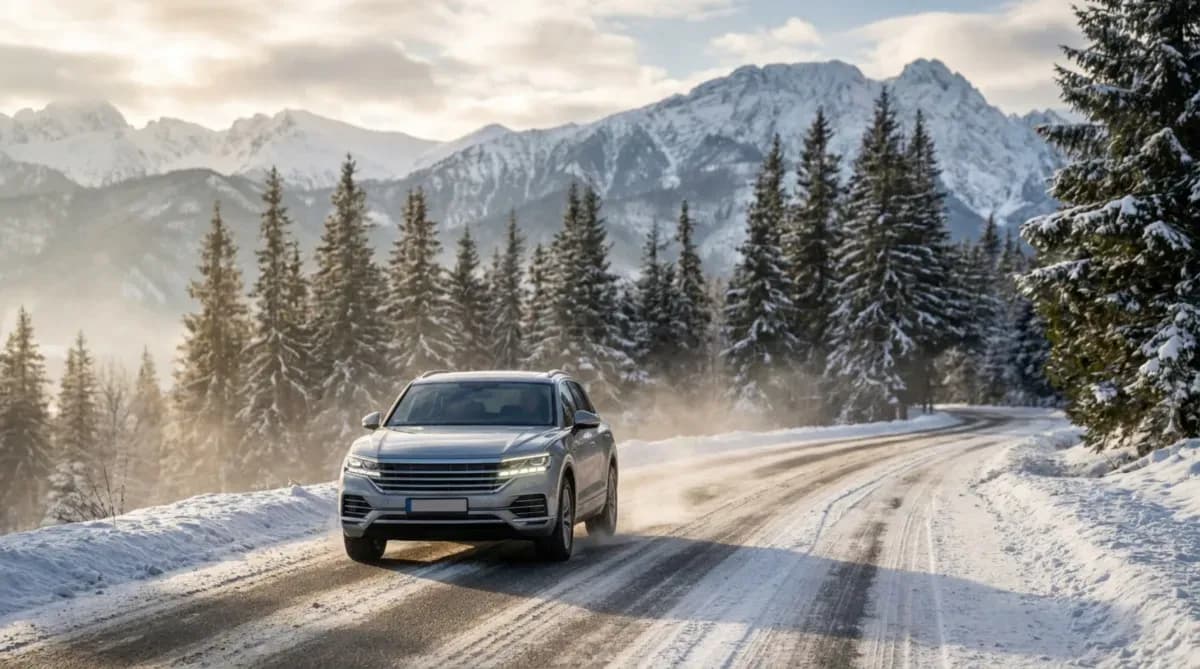
Do you need to rent an SUV for driving in Poland? For most standard itineraries, an SUV is not strictly necessary because Poland's major motorways and regional roads are well-paved and modern.
However, choosing an SUV provides valuable advantages in passenger comfort, luggage capacity, and all-weather confidence if you plan to explore mountain regions, national parks, or rural routes in winter.
Should You Rent an SUV for Driving in Poland?
Selecting the right vehicle depends on your specific route, itinerary, and travel style. While compact vehicles excel in historic urban areas, an SUV delivers comfortable travel across longer distances and countryside landscapes where extra cabin room and elevated visibility enhance the experience.
What Polish Roads Are Really Like?
Outdated perceptions of poor road infrastructure across Poland no longer reflect reality. Following extensive national modernization projects, motorways and expressways are in excellent condition. Regional, forest, and rural roads are also generally paved, properly marked, and wide enough for two-way traffic without significant surface defects.
While road surfaces are smooth, local driving habits can be assertive. Tailgating occurs, and drivers expect prompt reactions at intersections. Remaining observant and adhering strictly to regulations ensures a smooth journey.
Standard speed limits are clearly posted in km/h:
50 km/h in built-up areas (60 km/h at night where indicated)
90 km/h outside built-up areas
100 km/h on dual-carriageway regional roads
120 km/h on expressways
140 km/h on motorways
Poland does not use a universal windscreen vignette system for standard passenger cars; instead, tolls are collected at booths or via automated electronic toll sections on specific highways. Drivers in northeastern Poland should also watch for marked wildlife crossing zones, particularly for moose.
Do You Need an SUV for City, Rural, or Mountain Travel?
Your vehicle requirements depend primarily on your destination:
For city driving, an SUV is rarely practical. Historic centers in cities like Kraków and Wrocław feature narrow streets, one-way systems, and limited parking. A smaller vehicle maneuvers more easily in tight spaces and underground garages. Many travelers prefer parking outside central zones and exploring on foot or via public transport.
For rural travel, paved roads connect most historical landmarks and countryside villages. An SUV is not mandatory for road clearance on these routes, though it offers a smoother, more relaxing ride over extended distances.
For mountainous regions like the Tatras and the Podhale region, an SUV provides distinct advantages. While main access roads are cleared regularly, winter weather introduces snow, slush, and icy gradients where higher ground clearance and all-wheel-drive capability help you travel with confidence.
When Does an SUV Make Sense for Polish Travel?
Renting an SUV is particularly advantageous for:
Winter journeys to southern ski resorts and alpine areas
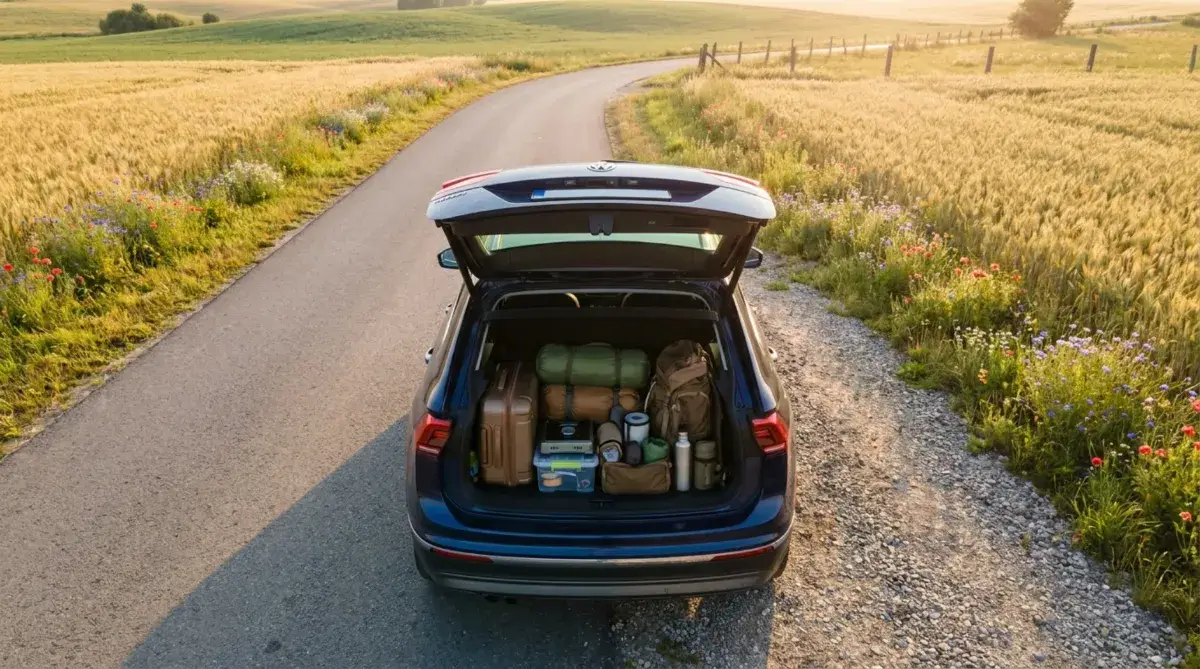
Travel involving bulky sports gear, winter clothing, or extensive luggage
Multi-city road trips with families or groups requiring extra interior space
The increased luggage volume and generous legroom prevent cramped conditions during long driving days. An elevated ride height also provides superior outward visibility, helping drivers anticipate road conditions and navigate scenic routes with ease.
SUVs vs. Other Vehicle Types on Polish Roads
Comparing vehicle categories helps balance budget and comfort:
Economy and compact cars: Ideal for urban driving and fuel efficiency. They reduce rental and fuel expenses while simplifying parking in historic centers.
Mid-range sedans and estates: Offer balanced comfort, solid luggage capacity, and moderate fuel consumption for long highway drives.
Minivans (7-9 seats): Superior to SUVs when traveling with larger groups or extended families, providing dedicated passenger seating without sacrificing cargo space.
Dedicated 4x4 off-road vehicles: Unnecessary for standard tourist routes, as driving off designated roadways is restricted in Polish forests and protected areas.
A modern crossover or SUV represents a versatile middle ground, combining passenger comfort and luggage space without the bulk of a large commercial van.
[Browse the SUV and car fleet]
Benefits and Drawbacks of Renting an SUV in Poland
Evaluating the trade-offs of an SUV helps determine if it fits your travel plans and budget.
Advantages of SUVs: Space, Comfort, and Visibility
The primary advantages of renting an SUV include:
Generous interior room: Ample space for passengers, luggage, child seats, and outdoor equipment.
Long-distance comfort: Ergonomic seating and stable suspension reduce driver fatigue on multi-hour journeys.
Enhanced visibility: A higher driving position improves sightlines over traffic and roadside terrain.
This elevated perspective is especially useful when driving along forested regional roads or navigating adverse winter weather.
Drawbacks: Cost, Fuel Consumption, and Parking Issues
Potential downsides to consider include:
Higher rental rates: SUVs generally command higher daily rental rates than compact models.
Fuel expenses: Larger vehicle dimensions and weight increase fuel consumption. Because European fuel prices are relatively high, this can impact your total travel budget.
Urban parking constraints: Large dimensions can make street parking in older urban districts challenging.
Tight parking bays and restricted municipal zones mean maneuvering an SUV in dense city centers requires extra patience.
Common Situations Where an SUV Is Not Needed
An SUV offers limited utility in scenarios such as:
City-centric itineraries focused on Warsaw, Kraków, Gdańsk, or Poznań
Day trips to major attractions connected by modern highways, such as the Wieliczka Salt Mine or Malbork Castle
Budget-focused solo or couple travel where fuel savings and low rental rates are top priorities
Top Destinations in Poland Where Renting an SUV Is Useful
Certain geographic regions and routes highlight the strengths of an SUV.
Tatra Mountains, Zakopane, and the Polish Highlands
The Podhale region and the town of Zakopane serve as Poland's premier winter sports hub. Winter travel involves navigating steep inclines, packed snow, and sudden weather shifts. An SUV accommodates skis, snowboards, and heavy winter apparel while delivering added stability on mountain ascents. Even in summer, the extra space supports hiking equipment for exploring surrounding valleys and traditional highland villages like Chochołów.
Remote National Parks and Rural Areas
Poland boasts diverse natural landscapes best reached by private car:
Białowieża National Park: Primeval forests and European bison reserves in eastern Poland.
Słowiński National Park: Coastal dunes and protected wetlands along the Baltic shore.
Traveling between remote nature reserves or historical landmarks, such as the Wolf's Lair in Masuria or rural sites in Lower Silesia, involves long drives along two-lane regional roads. An SUV ensures comfortable travel with plenty of room for provisions, supplies, and outdoor gear.
Planning Road Trips Between Major Cities
Poland covers significant geographic territory, and driving between major hubs involves substantial highway travel:
Warsaw to Gdańsk: approximately 3.5 to 4 hours
Wrocław to Kraków: approximately 2.5 to 3 hours
For cross-country road trips, an SUV minimizes travel fatigue through spacious seating, low cabin noise, and smooth highway handling.
Alternatives to Renting an SUV in Poland
Depending on your itinerary, alternative mobility solutions may better suit your requirements.
When a Compact or Economy Car Is More Practical
For solo travelers, couples, or city visitors, compact cars offer significant practical advantages. They reduce fuel consumption, navigate narrow city streets effortlessly, and fit into compact parking spaces across historic downtown districts.
Using Trains or Buses for Certain Routes
Poland's intercity rail network connects major metropolitan centers efficiently. Express trains link Warsaw, Kraków, Gdańsk, and Wrocław with fast travel times, eliminating traffic delays and parking fees. Public transit is also ideal for day trips to emotionally demanding historical sites where you may prefer not to drive afterward.
Renting Minivans or 4x4s for Group Travel
If passenger capacity is your main requirement, a 7-seater or 9-seater minivan provides superior legroom and dedicated luggage storage compared to standard SUVs. Specialized off-road 4x4s remain unnecessary unless you have access to private off-road testing grounds, as standard driving takes place on public paved roads.
Requirements and Regulations for Renting and Driving an SUV in Poland
Understanding local rental conditions and driving regulations ensures a straightforward, transparent rental experience.
Driver’s License, Age Limits, and IDP Needs
The legal driving age in Poland is 18, though car rental companies generally require drivers to be at least 21 years old and have held a valid driver's license for a minimum of one year. Drivers under 25 may incur a standard young driver fee depending on vehicle category.
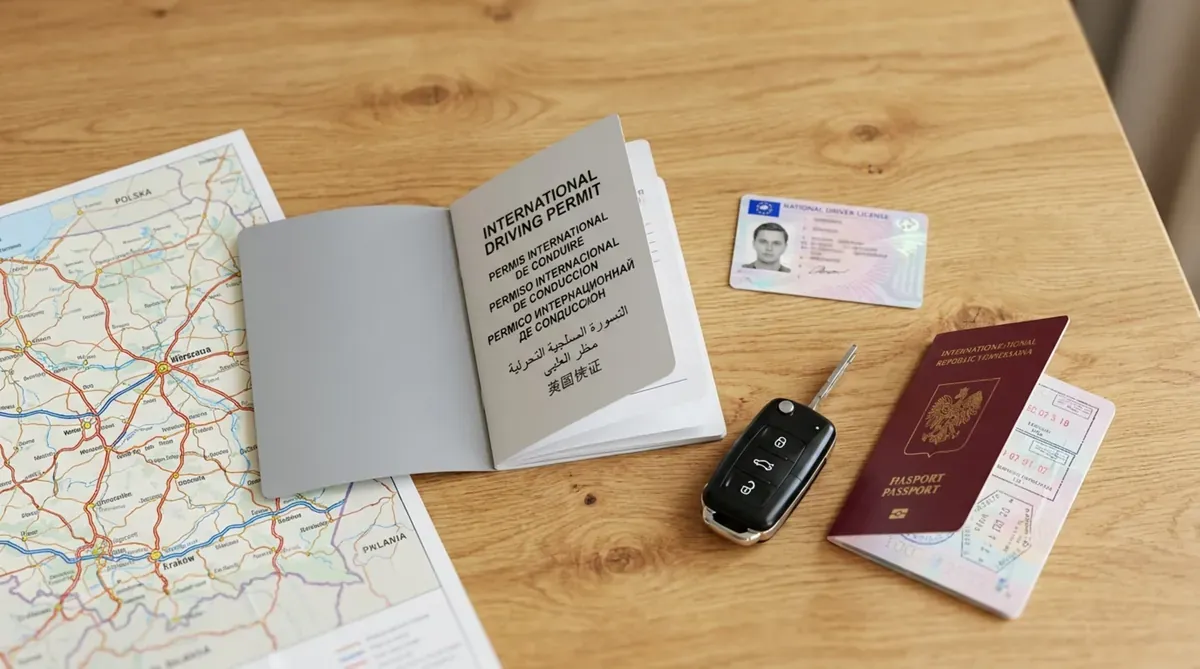
Visitors from non-EU/EEA countries (such as the United States, Canada, or Australia) should carry an International Driving Permit (IDP) alongside their national driver's license. Always carry the following physical documents:
Valid physical driver's license
International Driving Permit (if applicable)
Passport or national identity card
Insurance Coverage: What’s Mandatory and Optional
Third-party liability insurance is legally mandatory and included with all rentals in Poland. To minimize financial exposure in the event of minor scratches, glass damage, or bodywork repairs, you can select comprehensive collision damage waiver (CDW/SCDW) packages.
Opting for full insurance coverage often lowers or eliminates the required security deposit, providing peace of mind throughout your rental period. Always review transparent rental terms regarding fuel policies (typically full-to-full) and mileage limits before completing your reservation.
Tolls, Vignettes, and Emissions Stickers for SUVs
Passenger vehicles under 3.5 tonnes do not require vignettes. Tolls on designated motorway sections (such as parts of the A1, A2, and A4) are paid directly at toll plazas using cash or payment cards, or via automated digital tolling applications. Standard passenger SUVs are exempt from heavy-vehicle toll systems.
SUV Rental Process in Poland: Step-by-Step Guide
Securing an SUV rental in Poland is straightforward when planned in advance.
How to Book an SUV: Online, In-Person, or at Airports
Reserving your vehicle online before arrival ensures vehicle availability and transparent pricing. Early booking is particularly recommended if you require an automatic transmission or plan to travel during peak summer and winter holiday seasons.
Airport rental locations at major hubs offer nationwide availability and direct access to modern vehicle fleets upon landing.
Popular SUV Rental Companies in Poland
Travelers in Poland can choose between international booking portals and established nationwide rental providers. Choosing a reputable Polish car rental provider like CarFree gives you access to modern and well-maintained vehicles, flexible rental options, nationwide availability, and 24/7 support with transparent rental terms and no hidden fees.
Rental Duration and Mileage Options
Car rental services offer flexible rental options tailored to your schedule:
Short-term car rental: 1 to 30 days, ideal for holidays and weekend getaways
Medium-term car rental: 1 to 12 months, suited for temporary business assignments or seasonal stays
Long-term car rental: 12+ months, serving as a flexible alternative to vehicle leasing or ownership
Review the mileage terms associated with your booking to ensure your itinerary aligns with included allowances or unlimited mileage options.
What Documents and Deposits Are Required?
When picking up your SUV, prepare the following items:
Booking confirmation details
Valid passport or national ID
Physical driver's license and IDP (if required)
Accepted payment card in the primary driver's name for deposit pre-authorization
Inspect the vehicle thoroughly before departing. Record any existing cosmetic imperfections on the check-out documentation, take clear photos of the exterior, interior, fuel level, and odometer, and confirm return procedures with rental staff.
Practical Advice for Driving an SUV in Poland
Adhering to local traffic regulations ensures safe and stress-free travel across the country.
Driving Tips for Polish Cities and Countryside
Maintain consistent following distances and yield right-of-way when entering traffic circles or merging on motorways. In rural areas, remain alert for agricultural machinery during harvest seasons and watch for wildlife crossing signs in forested corridors.
Speed Limits, Road Signs, and Traffic Rules
Speed regulations are enforced via automated speed cameras and roadside monitoring:
Built-up areas: 50 km/h (unless otherwise posted)
Residential zones: 20 km/h
Single-carriageway rural roads: 90 km/h
Dual-carriageway regional roads: 100 km/h
Expressways: 120 km/h
Motorways: 140 km/h
Poland enforces a strict blood alcohol limit of 0.02% for drivers. Using radar detection equipment is prohibited. Headlights must be illuminated at all times, seatbelts are mandatory for all occupants, and children under 150 cm must use approved child restraint seats.
Parking an SUV: Where and How to Find Spots
Major cities operate paid municipal parking zones during weekday business hours. Tickets are purchased via street parking meters or approved mobile parking apps and displayed on the dashboard.
Major tourist destinations provide dedicated visitor parking facilities:
Attraction | Example parking cost |
Auschwitz-Birkenau | 20 PLN |
Malbork Castle | 35 PLN |
Wolf's Lair | 15 PLN |
Ensure your vehicle is parked strictly within marked bays to prevent municipal fines, vehicle booting, or towing.
Getting Fuel: Station Types and Typical Costs
Service stations along motorways operate 24/7 and include convenience stores and dining facilities. In Poland, the standard procedure is to dispense fuel first, note your pump number, and pay inside the station.
Pay close attention to fuel pump color coding:
Green handle: Unleaded petrol (Pb 95 / Pb 98 / E10)
Black handle: Diesel (ON)
Always verify the fuel type required by checking the label inside the vehicle's fuel filler door before refilling.
Final Thoughts: Is Renting an SUV in Poland Worth It?
Deciding whether to rent an SUV comes down to balancing your travel comfort against the practical demands of your route.
Should You Spend More for an SUV When Visiting Poland?
If your journey focuses on city exploration and direct highway links between major urban centers, a compact or mid-size car provides exceptional utility, simple parking, and lower operating costs. However, if your itinerary features winter mountain travel, extended family road trips, or rural nature exploration, an SUV provides the interior capacity, visibility, and driving confidence needed for a comfortable and smooth journey across Poland.
Key Considerations Before Booking
Before finalizing your reservation, consider:
Route profile: Determine whether your trip involves city driving, highway corridors, or mountain terrain.
Passenger and cargo volume: Match the vehicle size to the number of travelers and luggage requirements.
Operating costs: Balance rental rates and expected fuel consumption against your travel budget.
Seasonal conditions: Account for winter weather in highland regions where an SUV's road clearance is beneficial.
Rental conditions: Select a reliable provider offering transparent rental terms, modern vehicles, and 24/7 support.