11.08.2026
Warsaw to Krakow Drive - The Best Route, Stops and What to See
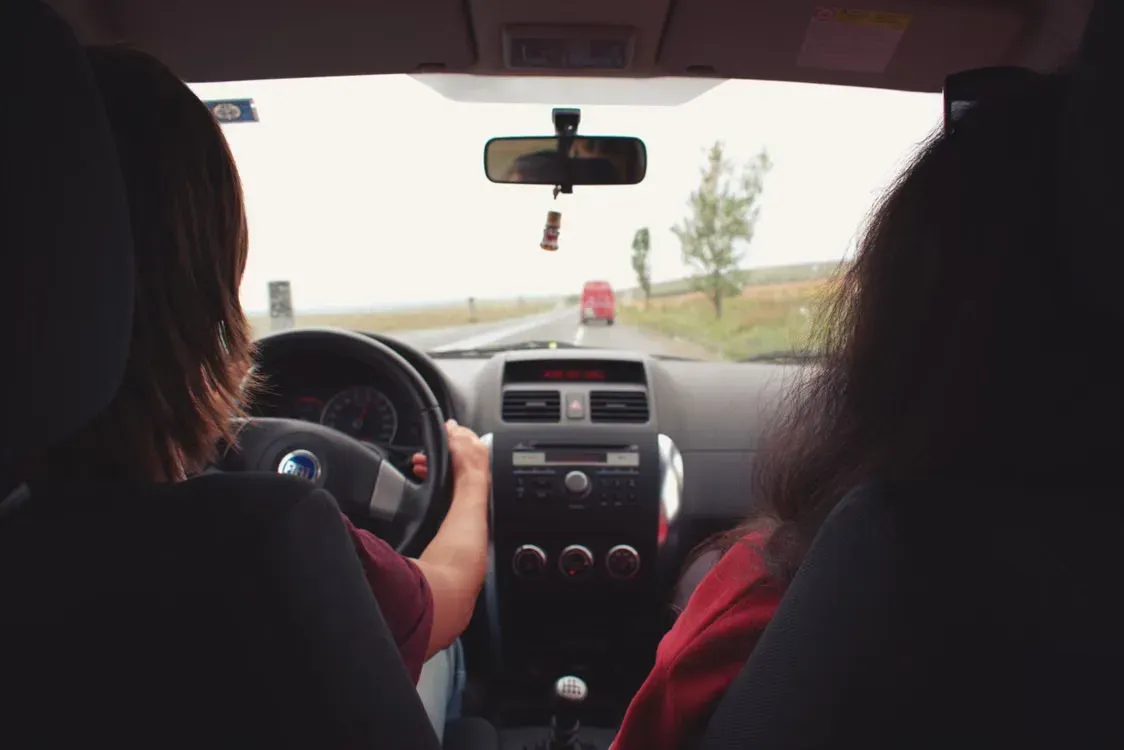
What is the best route for driving from Warsaw to Krakow? The upgraded S7 expressway provides the most direct and efficient drive, covering roughly 295 kilometers (183 miles) south through Radom and Kielce in about 3.5 to 4 hours.
Opting for a car rental gives you the freedom to travel at your own pace, letting you turn a standard transfer into a scenic trip past medieval ruins, geological reserves, and quiet countryside.
What Is the Best Route from Warsaw to Krakow by Car?
Driving between Poland's two largest cities used to mean dealing with narrow single-lane roads, heavy local traffic, and frequent speed cameras. Thanks to extensive infrastructure investments across Poland, the southern corridor now links Masovia and Lesser Poland with high-standard expressways designed for comfortable travel.
Selecting the best route depends on whether your priority is reaching your destination quickly or exploring regional sights along the way. For a smooth journey that combines reliable road conditions with easy access to major attractions, one route stands out as the practical choice.
The S7 Route Through Radom and Kielce
The modern S7 expressway is your best option. It bypasses city centers like Radom and Kielce, keeping traffic moving steadily while tracing a historic corridor through central Poland. Because almost the entire stretch meets dual-carriageway expressway standards, you won't encounter crossroads or traffic lights outside urban connector roads.
An alternative route follows the A1 motorway through Łódź and Częstochowa before taking the A4 east to Krakow. While the A4 is a full motorway, it involves toll charges, covers a longer distance, and frequently carries dense commercial truck traffic. The S7 is toll-free, noticeably shorter, and offers far better access to scenic detours.
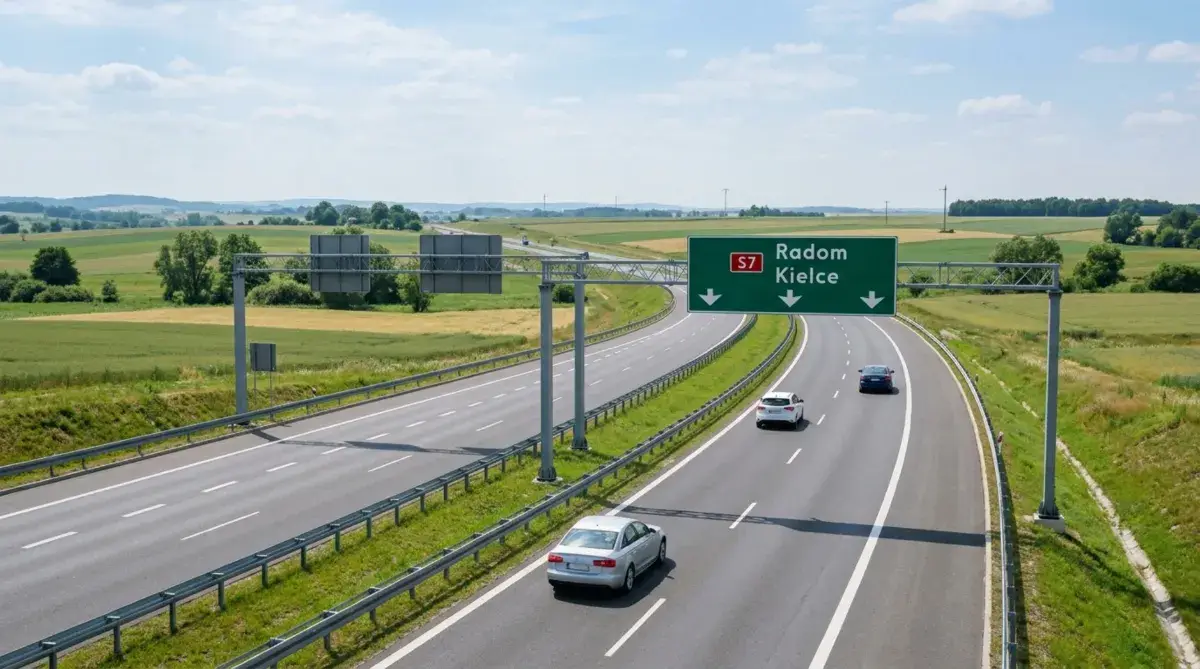
How Far Is the Warsaw to Krakow Drive?
The driving distance from central Warsaw to central Krakow along the S7 measures between 295 and 300 kilometers (around 183 to 186 miles), depending on your exact departure and arrival addresses. This manageable distance makes for an easy day trip while leaving plenty of time for spontaneous stops.
By comparison, the western route via the A1 and A4 extends the journey to approximately 360 kilometers (224 miles). Planning extra stops at nearby castles or national parks along the S7 will generally add only 20 to 40 kilometers, keeping your total driving time relaxed and predictable.
How Long Does the Drive From Warsaw to Krakow Take?
Under normal traffic conditions, driving directly along the S7 takes about 3 hours and 30 minutes to 4 hours. Wide lanes, modern bypasses, and consistent speed limits help you maintain a steady pace across regional borders.
Your actual travel time will vary depending on departure times, rest breaks, and sightseeing plans. Leaving during peak morning rush hour, stopping for lunch near Chęciny, and arriving during Krakow's evening commute can extend the drive to a relaxed six- to eight-hour itinerary.
What Should You Know Before Driving in Poland?
Driving in Poland is straightforward and aligns closely with standards across Central and Western Europe. Roads are well-maintained, signage follows international conventions, and modern service plazas are spaced regularly along major corridors. Familiarizing yourself with local driving regulations before you start ensures a stress-free travel experience.
Polish road police strictly enforce rules covering vehicle equipment, speed limits, and alcohol consumption. Carrying the proper documentation and understanding traffic conventions helps you travel with confidence.
Car Hire, Driving Documents and Insurance
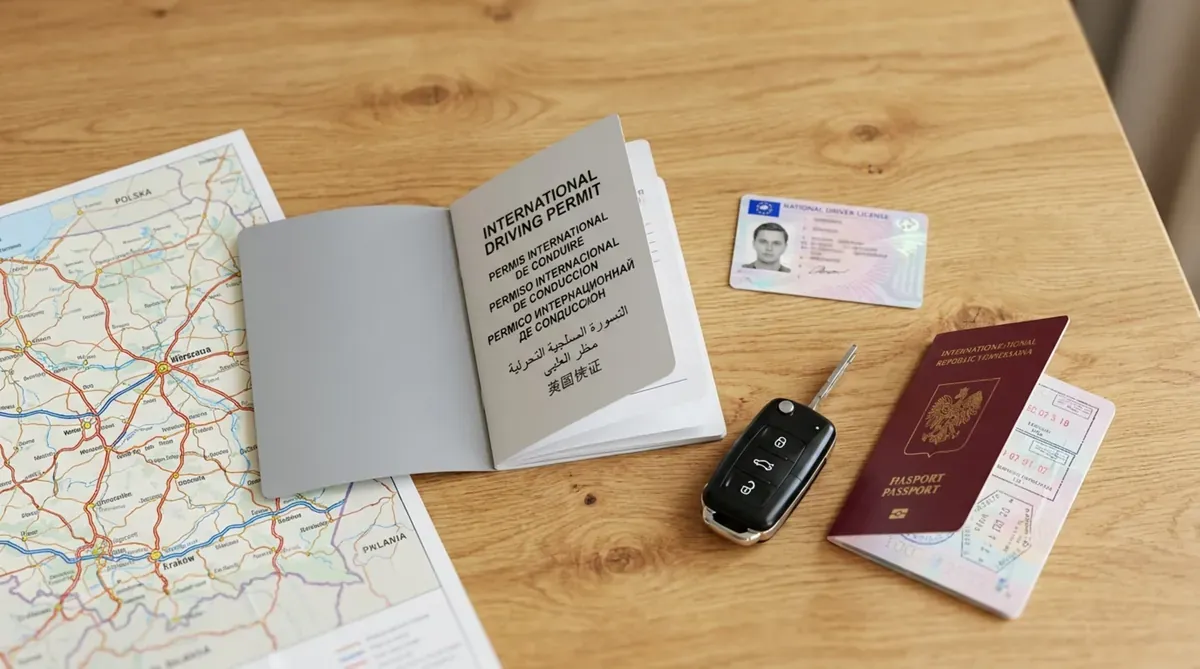
To rent a car in Poland, drivers must generally be at least 21 years old and have held a valid driver's license for at least one year. Drivers under 25 may incur a young-driver surcharge. Citizens holding licenses from the EU, the UK, or Switzerland can use their standard photocard licenses. If your license was issued outside international road traffic conventions or does not use the Latin alphabet, you'll need to present an International Driving Permit (IDP) alongside your national license.
When you book a vehicle with CarFree, we provide transparent rental terms with no hidden fees, along with all necessary vehicle paperwork. This includes the vehicle registration document (Dowód Rejestracyjny) and proof of mandatory third-party liability insurance (OC). Under Polish law, every car must carry a certified fire extinguisher, a reflective warning triangle, and accessible high-visibility reflective vests for every passenger exiting the vehicle in an emergency. If you're only in Poland briefly, a short-term rental covers the trip without any long-term commitment.
Speed Limits, Road Signs and Motorway Rules
Standard Polish speed limits are strictly enforced: 50 km/h in built-up urban zones at all times, 90 km/h on single-carriageway rural roads, 100 km/h on dual-carriageway rural roads, 120 km/h on expressways like the S7, and 140 km/h on motorways such as the A4. Fixed speed cameras are signaled by blue road signs bearing a camera icon, and several sections employ automated average-speed monitoring systems.
Poland enforces a strict blood-alcohol concentration limit of 0.02%, making driving after drinking prohibited in practice. Headlights-either dipped beams or dedicated daytime running lights-must remain switched on 24 hours a day throughout the entire year. Always adhere to lane discipline by keeping to the right lane unless overtaking, as passing on the right on multi-lane highways is heavily restricted.
How To Avoid Traffic When Leaving Warsaw and Entering Krakow
The most congested segments of your drive will typically be the outer rings of both metropolitan centers. Southern exits from Warsaw, specifically routes funneling toward the S7 near Janki, Raszyn, and Piaseczno, experience significant delays on weekday afternoons between 4:00 PM and 7:00 PM, with Friday getaways bringing the heaviest volumes. Setting out before 7:30 AM or mid-morning around 10:00 AM provides a noticeably smoother exit.
At the opposite end, the northern approaches to Krakow along the DK7 and northern connectors often slow down during late afternoon hours and Sunday evenings. Planning your arrival for early afternoon or after 7:30 PM lets you park your car comfortably and reach your accommodation without navigating heavy city traffic.
What to See in Warsaw Before You Set Off
Before leaving the capital, take time to appreciate Warsaw's remarkable architectural blend of modern urban energy and restored heritage. Because much of the historic center was meticulously rebuilt after the devastation of World War II, exploring the city provides helpful context for understanding Poland's recent history.
Touring Warsaw's iconic landmarks offers a striking historical contrast to the intact medieval core you'll encounter in Krakow. Spending a morning here serves as an engaging start to your journey south.
The Royal Castle and Rynek Starego Miasta
Start your morning at Castle Square (Plac Zamkowy) and visit the Royal Castle (Zamek Królewski). This red-brick residence served as the seat of Polish monarchs starting in the late 16th century, following King Sigismund III Vasa's decision to move the royal court from Krakow to Warsaw. The restored state apartments and original Rembrandt canvases highlight the former power of the Polish-Lithuanian Commonwealth.
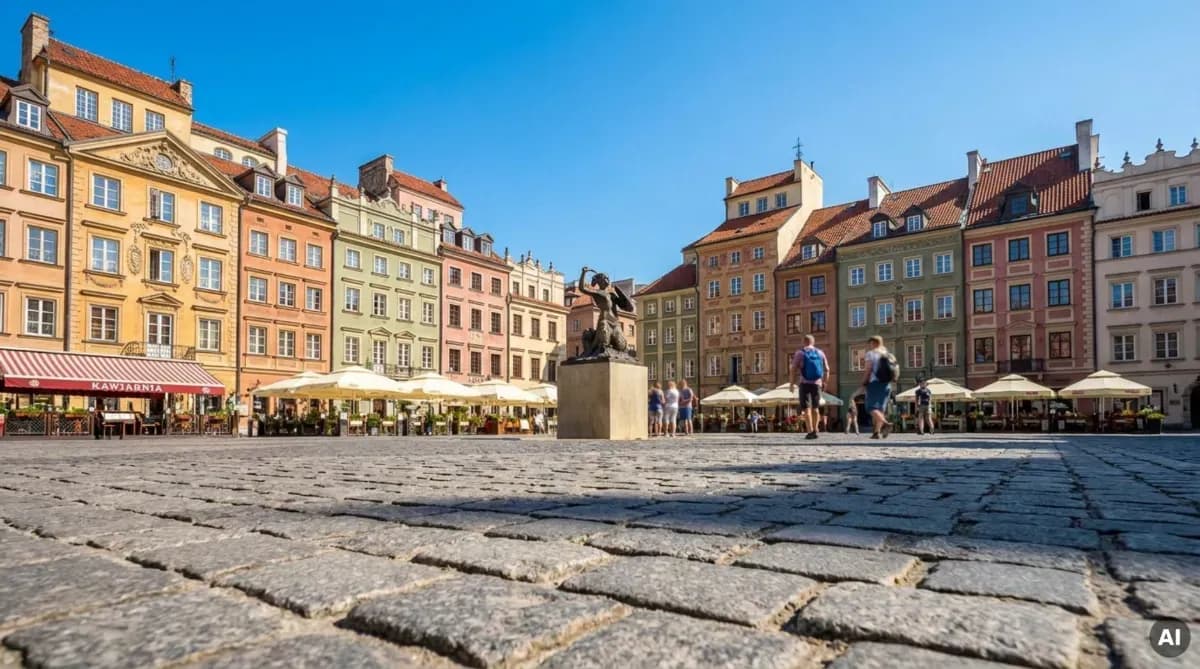
Just past the castle lies the Old Town Market Square (Rynek Starego Miasta). Completely rebuilt using historical architectural records, its merchant townhouses, vibrant facades, and central Warsaw Mermaid statue earned the district UNESCO World Heritage status. Grabbing a morning coffee at a square-side café is an ideal way to prepare before you collect your rental car in Warsaw and start your journey.
Royal Baths Park and Palace on the Isle
Located south along the historic Royal Route, Łazienki Królewskie (Royal Baths Park) spans 76 hectares of classic landscaped gardens. Developed in the 18th century by Poland's last king, Stanisław August Poniatowski, this tranquil retreat is renowned for its resident peacocks and historic walking paths.
The centerpiece of the park is the neoclassical Palace on the Isle (Pałac na Wyspie), positioned over an ornamental lake and approached by colonnaded bridges. Take a quiet stroll past the Frédéric Chopin monument to enjoy a moment of calm before joining the expressway south.
Which Stops Are Worthwhile Between Warsaw and Krakow?
The S7 is far more than a practical transit corridor; it passes directly through regions rich in military history, royal folklore, and distinctive geological formations. Incorporating one or two deliberate stops breaks up the driving time and adds depth to your road trip.
Whether you're interested in relaxing mineral waters, rural folklore, or medieval fortifications, the corridor between Warsaw and Krakow offers several rewarding points of interest.
Mszczonów Thermal Baths for a Short Relaxing Stop
Situated roughly 45 kilometers southwest of Warsaw near the start of the drive, Mszczonów provides a restorative stop at Termy Mszczonów. The thermal bath complex harnesses natural mineral waters extracted from deep geothermal sources, feeding both indoor and outdoor pools maintained at comfortable temperatures year-round.
Taking an hour to swim or soak helps relieve travel fatigue, especially if you're coming off a long flight before picking up your rental vehicle. It's a quick, refreshing break that sets an easy tone for the rest of your trip.
Radom Countryside Museum and White Eagle Museum
Near the city of Radom, you can explore the Radom Countryside Museum (Muzeum Wsi Radomskiej). This expansive open-air museum preserves historic thatched cottages, operational wooden windmills, barns, and chapels from the 18th and 19th centuries, offering insight into traditional rural life across central Poland.
Continuing south to Skarżysko-Kamienna, military enthusiasts can visit the White Eagle Museum (Muzeum im. Orła Białego). Its outdoor exhibition displays an extensive collection of 20th-century hardware, including armored vehicles, artillery pieces, naval craft, and Cold War fighter planes.
Royal Castle in Chęciny
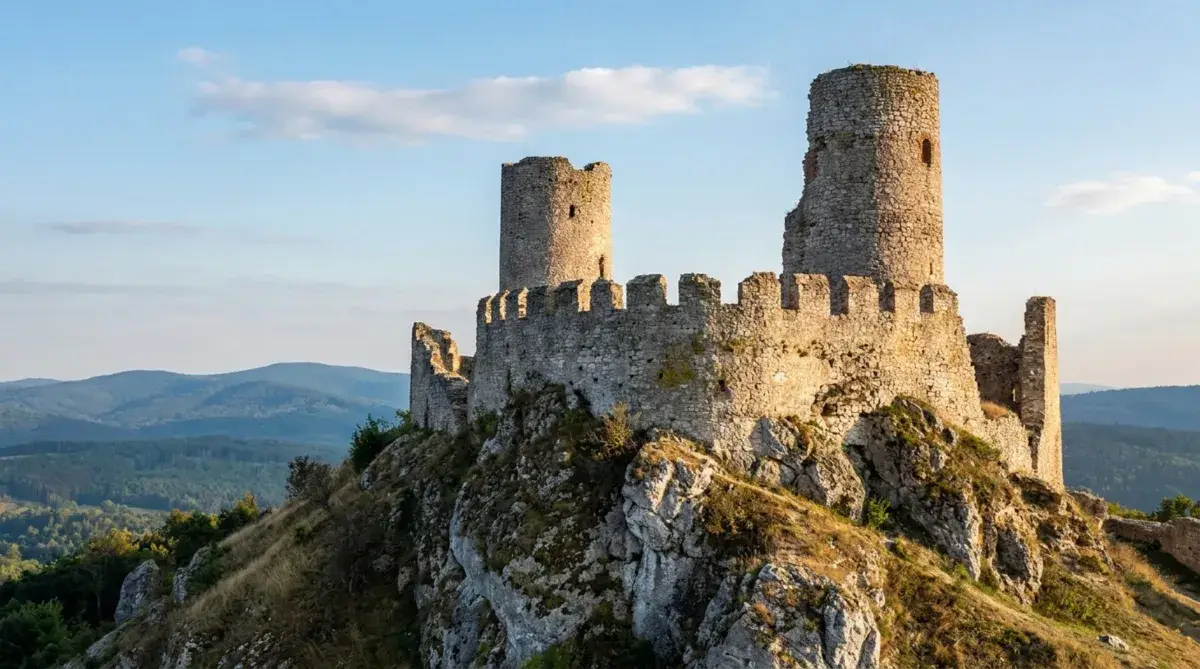
Just south of Kielce, the hilltop fortress of Chęciny stands prominently above the surrounding limestone hills. Dating to the late 13th century, this royal stronghold served as a key defensive center, a treasury depot, and a staging base for campaigns led by King Władysław the Elbow-high.
Reaching the base from the S7 takes roughly five minutes. A short climb up the paved trail brings you to panoramic vistas over the Holy Cross Mountains (Góry Świętokrzyskie). Visitors can climb the stone towers, explore the vaulted cellars, and examine defensive fortifications originally designed to resist Teutonic and Tartar incursions.
Jaskinia Raj Near Kielce
Located less than two kilometers from Chęciny, Jaskinia Raj ("Paradise Cave") is celebrated as one of the most beautiful show caves in Poland. Formed inside Malik Hill, the cave earned its name from early explorers amazed by its dense and undisturbed mineral formations.
Though compact, the cave displays an exceptional concentration of stalactites, stalagmites, columns, and rare cave pearls. Daily entry numbers are restricted to protect the fragile underground microclimate, so it's best to reserve your entry time online ahead of arrival if you want to view the formations and prehistoric exhibit.
How Can You Add Scenic Detours to the Drive?
If your schedule allows for extra sightseeing, diverting off the main expressway reveals dramatic limestone ravines, forested river paths, and historic aristocratic residences. A short detour lets you experience the natural and architectural variety of southern Poland firsthand.
These detours give you a comprehensive look at the regional heritage of Lesser Poland while breaking up expressway driving with scenic backroads.
Ojców National Park and Maczuga Herkulesa
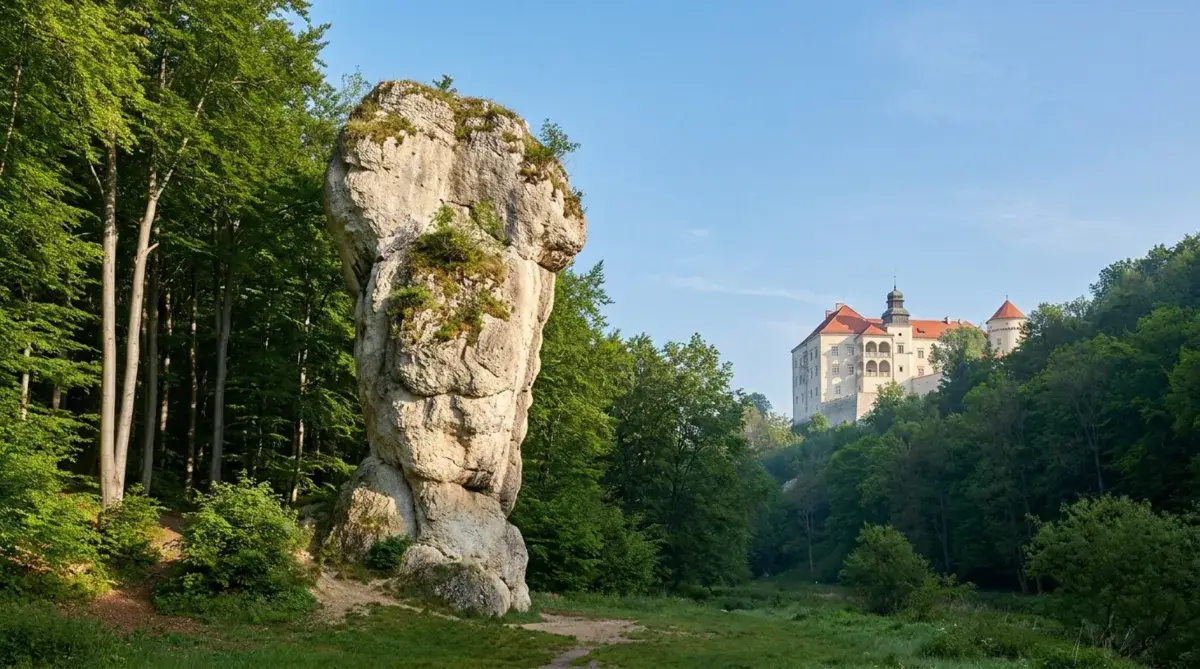
Positioned just 20 kilometers north of Krakow, Ojców National Park (Ojcowski Park Narodowy) is Poland's smallest national park, yet one of its most visually striking. Carved by the Prądnik River, the gorge features sheer white Jurassic limestone bluffs, dense beech woods, and hundreds of karst caves.
The park's defining landmark is Maczuga Herkulesa (the Club of Hercules), an isolated 25-meter limestone pinnacle rising beside the Renaissance-era Pieskowa Skała Castle. Driving the winding route through the valley provides a dramatic, scenic approach to Krakow compared to staying on standard transit routes.
Krzyżtopór Castle for a Longer Historical Detour
Travelers willing to take an extended detour east to Ujazd will find the sprawling ruins of Krzyżtopór Castle. Commissioned by nobleman Krzysztof Ossoliński in the 17th century, the palace was constructed around a calendar design: four corner towers for the seasons, 12 formal halls for the months, 52 chambers for the weeks, and 365 windows matching the days of the year.
Prior to its destruction during the mid-17th-century Swedish invasion, Krzyżtopór stood as one of the most ambitious private residences in Europe. Its stables famously featured marble feeding troughs and mirrored ceilings. Today, you can explore the preserved stone ramparts, vaulted basements, and vast courtyards of this striking palace-fortress.
Which Route Stops Near Krakow Deserve Extra Time?
As you approach Krakow and enter Lesser Poland, two world-renowned historical sites sit within easy reach of the city's perimeter. Both warrant dedicated visits and careful advance planning rather than brief roadside stops.
Because visitor numbers are high year-round, plan each excursion as a dedicated half-day itinerary with reserved entry slots.
Wieliczka Salt Mine
Located just southeast of Krakow off the southern bypass, the Wieliczka Salt Mine is a UNESCO World Heritage site with continuous mining operations dating from the 13th century to the late 20th century. The underground network extends over 300 meters deep and encompasses hundreds of kilometers of excavated galleries.
The centerpiece of the standard tourist route is the subterranean Chapel of Saint Kinga, a vast church chamber where the altars, religious reliefs, and chandeliers are sculpted entirely from rock salt. Guided tours take roughly two to three hours, and booking tickets online well ahead of your travel date is strongly advised.
Auschwitz-Birkenau Memorial and Museum
Situated in Oświęcim, approximately one hour west of Krakow, the Auschwitz-Birkenau Memorial and Museum preserves the grounds of the largest German Nazi concentration and extermination camp. As a primary global memorial to the Holocaust, more than 1.1 million people were systematically murdered here.
A visit requires emotional preparedness, quiet decorum, and focused attention. Educational tours encompass both the brick barracks and exhibition halls of Auschwitz I and the sprawling open expanses, watchtowers, and railhead at Auschwitz II-Birkenau. Expect to spend at least 3.5 hours on site, and make sure to book your official entry passes weeks or months in advance.
What Should You See in Krakow After the Drive?
Arriving in Krakow places you in Poland's historic cultural capital. Having escaped the extensive structural destruction seen by Warsaw during World War II, Krakow retains its original urban layout, showcasing an intact progression of Romanesque, Gothic, Renaissance, and Baroque architecture.
Once you've safely parked your vehicle, Krakow is best explored on foot. The extensive pedestrian zones and compact central district make walking both practical and enjoyable.
Krakow Old Town and Rynek Główny
The historical heart of Krakow centers on Rynek Główny, one of the largest medieval town squares in Europe, laid out following the Mongol raids of 1257. Framed by historical townhouses, horse carriages, and outdoor terraces, the square is anchored by the dual Gothic towers of St. Mary's Basilica (Kościół Mariacki). Inside, you can view the carved wooden altarpiece by Veit Stoss and listen for the hourly trumpet call (Hejnał mariacki) played from the higher spire.
The Sukiennice (Cloth Hall) occupies the center of the square, where merchants have traded textiles, amber, and handicrafts since the Middle Ages. Beneath the square's stones, the Rynek Underground museum lets visitors walk through preserved medieval street surfaces and archaeological excavations.
Wawel Royal Castle and the Dragon's Den
Rising above the Vistula River, Wawel Hill served as the political seat of Polish kings for over five centuries. The Wawel Royal Castle complex features an Italianate Renaissance arcaded courtyard, opulent state apartments hung with rare Flemish tapestries, and the Crown Treasury.
Adjacent to the castle stands Wawel Cathedral, the coronation and burial site of Poland's monarchs, military leaders, and national poets. Before departing, head down into Smocza Jama (the Dragon's Den), a natural limestone cavern beneath the hill that exits onto the riverbank beside the fire-breathing bronze statue of the legendary Wawel Dragon.
What Is the Best Warsaw to Krakow Road Trip Itinerary?
Organizing your schedule carefully allows you to blend major urban landmarks, regional heritage, and natural scenery without feeling hurried. While you can cover the distance in a single afternoon, allowing two or three days creates a far more rewarding travel experience.
Below are two recommended route plans: an immersive three-day journey designed for steady exploration, and an efficient one-day schedule for tighter timeframes.
Day 1: Warsaw Old Town and Major Museums
Dedicate your opening day to Warsaw's core sights. Spend the morning walking through the Old Town Market Square and touring the interior of the Royal Castle before heading south along the Royal Route on Krakowskie Przedmieście.
In the afternoon, visit either the Warsaw Uprising Museum or the POLIN Museum of the History of Polish Jews to gain deeper context on the city's complex 20th-century history. Wrap up your day with a relaxing walk around the lakes of Royal Baths Park followed by dinner in the city center. Picking up your rental vehicle early the following morning will set you up for a smooth departure.
Day 2: Warsaw to Kielce With Chęciny and Jaskinia Raj
Depart Warsaw around 8:30 AM via the southern S7 expressway, bypassing Radom as you enter the Świętokrzyskie region. By midday, arrive near Kielce for your scheduled underground visit to Jaskinia Raj.
After a local lunch in Chęciny, climb up to the Royal Castle ruins to take in panoramic views of the surrounding hills. Later in the afternoon, complete the short drive into Kielce for dinner and an overnight stay, or choose a countryside guesthouse along the route.
Day 3: Kielce to Krakow through Ojców or the Eagles' Nests Trail
On your final day, head south into Lesser Poland. Rather than sticking entirely to the main highway, branch onto regional routes linking the Trail of the Eagles' Nests (Szlak Orlich Gniazd), passing limestone outcrops and cliffside watchtowers across the Kraków-Częstochowa Upland.
Spend two to three hours exploring Ojców National Park, photographing the Club of Hercules and the exterior of Pieskowa Skała Castle. In the afternoon, complete the final 20-minute drive into Krakow, settle into your accommodation, and spend your evening enjoying the lively atmosphere of the historic Kazimierz district.
A Faster One-Day Warsaw to Krakow Drive
If your schedule only permits a single day for the journey, the S7 provides an efficient, straightforward drive. Leave Warsaw before 7:30 AM to bypass morning commuter bottlenecks. After roughly two hours on the road, take a 90-minute break to explore the ramparts and towers of Chęciny Castle.
Rejoin the S7 heading south, stopping near Jędrzejów for lunch. In the early afternoon, take a brief 45-minute scenic drive through Ojców National Park before entering Krakow around 3:00 PM. This timeline leaves you with ample daylight to check in, return your vehicle if needed, and enjoy an evening stroll around Rynek Główny.
Keep seasonal weather factors in mind when planning your trip. Winter conditions from late November through March require winter tires and extra attention around the elevated Świętokrzyskie region, where ground freezing and dense fog can occur. During summer, expressway service areas (known locally as MOPs) offer convenient facilities for brief breaks. If you're driving an electric vehicle, high-output DC charging stations from networks like GreenWay and Orlen Charge are spaced regularly along the entire S7 corridor.
Finally, plan your parking strategy for Krakow ahead of time. The historic core operates designated controlled parking zones (Zones A, B, and C), with unauthorized vehicle entry into central pedestrian areas carrying strict penalties. Choose a hotel offering secure on-site parking, or leave your car at a guarded Park & Ride lot connected to Krakow's efficient tram network to explore the city with complete peace of mind. If you're picking up or dropping off near the airport, car rental at Krakow airport makes the handover simple at either end of the trip.