30.09.2026
5-Day Poland Road Trip Itinerary for First-Time Visitors
What is the best 5-day Poland road trip route for first-time visitors? Driving from Warsaw south to Kraków and ending in the Tatra Mountains around Zakopane gives you the ideal combination of vibrant city life, deep cultural history, and breathtaking alpine landscapes. Thanks to modern expressways and well-connected highways, you can easily explore these three distinct regions at your own pace.
5-Day Poland Road Trip Itinerary at a Glance
A short road trip through Poland works best when you balance driving time with sightseeing. Because Poland's primary historic sights follow a natural north-to-south corridor, you won't spend all day behind the wheel. Instead, you'll have ample time to wander through cobblestone alleys, tour Gothic castles, and sample authentic regional cuisine.
This itinerary is tailored for first-time travelers who want to see the country's highlights without feeling rushed. It blends the fast-paced energy of modern Warsaw with the historic charm of Kraków, includes meaningful visits to World War II heritage sites, and finishes among the fresh mountain air of the Podhale highlands.
What Route Works Best for First-Time Visitors?
The Warsaw-Kraków-Zakopane route remains the classic choice for a first trip. Starting in Warsaw allows you to explore Poland's dynamic capital, including its meticulously reconstructed historic core and thriving dining districts. Heading south along the modern S7 expressway brings you into Małopolska, where Kraków preserves one of Central Europe's most intact medieval centers. From there, the highway winds upward into the dramatic limestone peaks bordering Slovakia.
This route provides straightforward navigation, smooth multilane highway driving, and a diverse look at Polish heritage. You'll witness the capital's remarkable post-war renewal, royal architecture in the south, and the rich traditions of the Goral highlanders.
Poland Road Trip Map and Daily Route
Your journey heads south in a logical sequence, keeping drive times manageable so you have plenty of daylight for touring:
Day 1: Arrive in Warsaw, pick up your rental car, and explore the UNESCO-listed Old Town (Stare Miasto) and the Royal Route.
Day 2: Drive south from Warsaw to Kraków via the S7 expressway (approx. 3.5 to 4 hours), spending your evening around Kraków's Main Market Square.
Day 3: Discover historic Kraków, including Wawel Royal Castle and the lively Kazimierz Jewish Quarter.
Day 4: Take a morning tour of the Auschwitz-Birkenau Memorial and Museum, followed by an afternoon visit to the Wieliczka Salt Mine.
Day 5: Drive south to Zakopane (approx. 2 hours), ride the cable car to Kasprowy Wierch or walk to Morskie Oko, and conclude your journey.
By dividing the mileage into shorter segments, you won't have to face grueling travel days. The drives themselves offer pleasant scenery, modern roadside rest stops, and easy opportunities to visit regional sights along the way.
Planning Your First Road Trip in Poland
A little preparation goes a long way toward ensuring stress-free travel across Poland. While the country is an EU member state with an advanced highway network, first-time visitors will benefit from understanding seasonal driving conditions, route planning, and local regulations before setting out.
Deciding when to visit and selecting the right vehicle and pickup locations will help keep your trip smooth from the moment you land.
When Is the Best Time To Take a Poland Road Trip?
Late spring (May to June) and early autumn (September to October) offer ideal conditions for comfortable travel. Temperatures are mild, days are long, and visitor numbers at major attractions in Kraków and Zakopane are more manageable than during midsummer. September often brings the famous "Golden Polish Autumn" (Złota Polska Jesień), turning mountain forests into vibrant shades of amber and gold.
July and August bring warm weather and lively open-air events, but popular tourist corridors and mountain access roads can get congested. Winter attracts winter sports enthusiasts to the Tatras, but shorter daylight hours, freezing temperatures, and sudden mountain snowfall require extra caution on highland passes.
What Airport Should You Fly Into?
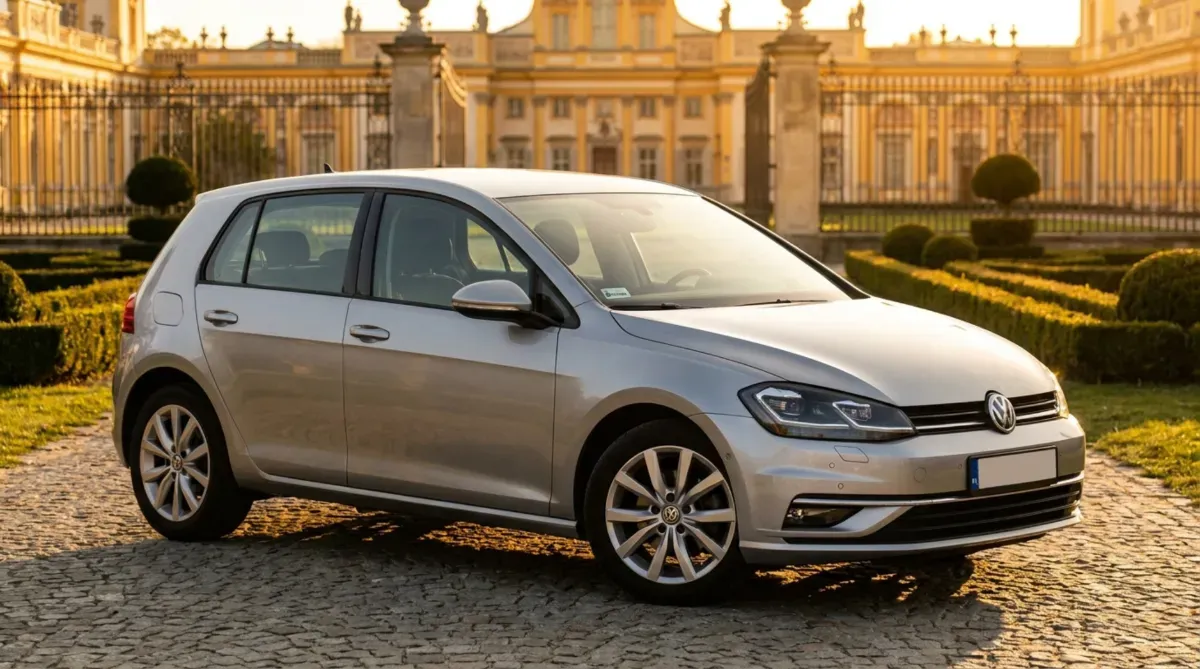
Warsaw Chopin Airport (WAW) serves as the most practical entry point. Located just 10 kilometers south of Warsaw's city center, it hosts direct flights from major international carriers. Collecting an airport car rental on arrival allows you to start your journey without delay.
If you prefer an open-jaw itinerary, consider flying into Warsaw Chopin and departing from Kraków John Paul II International Airport (KRK). With nationwide availability and flexible rental options, we make one-way car rental simple, saving you the four-hour return drive north to Warsaw on Day 5.
Should You Rent a Car or Use Trains?
Poland operates a well-developed railway network, including fast express trains connecting Warsaw and Kraków in just over two hours. However, public transit doesn't offer the flexibility needed to explore outlying attractions, regional castles, or national park trailheads on your own schedule.
Having a reliable vehicle gives you true freedom to travel. You can easily visit both Auschwitz-Birkenau and the Wieliczka Salt Mine in a single day without juggling bus timetables. You'll also have direct access to mountain valleys and picturesque wooden villages in southern Poland, making a rental car the most convenient choice for a comprehensive five-day tour.
Driving in Poland: Routes, Roads and Practical Tips
Driving in Poland is straightforward, comparable to standard European driving conditions. Substantial infrastructure investments have created a comprehensive network of modern expressways (Drogi ekspresowe) and motorways (Autostrady) that bypass smaller towns and keep traffic moving smoothly.
Familiarizing yourself with local driving rules and required documents ensures you can travel with confidence as soon as you hit the road.
What Documents and Driving Requirements Do Visitors Need?
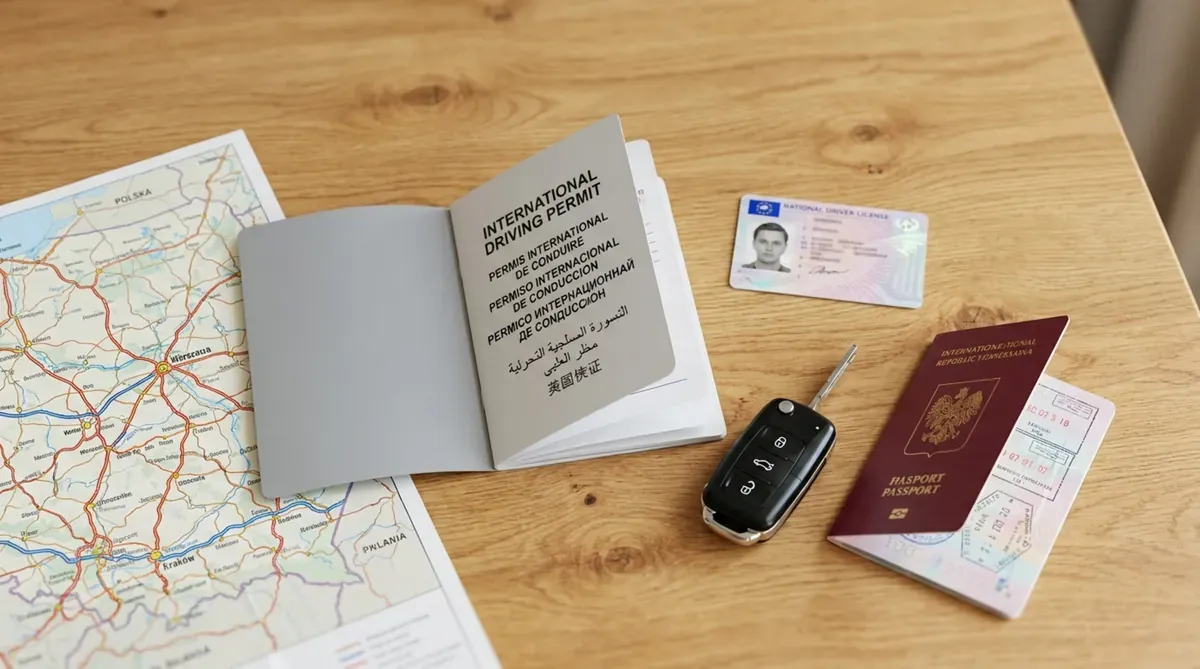
To drive legally in Poland, you'll need a valid national driving license, your passport or national ID card, vehicle registration documents, and proof of third-party liability insurance. If your license was issued outside the EU or EEA (such as in the United States, Canada, or Australia), you should carry an International Driving Permit (IDP) alongside your domestic license.
Vehicles in Poland must carry specific safety equipment: a reflective safety vest for each occupant, a warning triangle, and a certified fire extinguisher. All modern vehicles in our fleet come fully equipped with these mandatory safety items. Headlights or daytime running lights must remain switched on at all times, year-round. Poland enforces a strict blood alcohol limit of 0.02%, meaning you shouldn't consume any alcohol if you plan to drive.
How Do Polish Motorways, Tolls and Speed Limits Work?
Speed limits are clearly standardized across the country: 140 km/h on motorways (Autostrady, marked "A"), 120 km/h on dual-carriageway expressways (Drogi Ekspresowe, marked "S"), 90 km/h on standard roads outside built-up areas, and 50 km/h within city limits. Speed cameras and unmarked traffic patrols are common, so always observe posted limits.
Toll systems vary across concession sections of the A1, A2, and A4 motorways, where payments can be made via toll gates or mobile applications like Autopay. Fortunately, the primary route on this itinerary-the modern S7 expressway connecting Warsaw and Kraków-is toll-free for standard passenger cars.
Day 1: Explore Warsaw, Poland's Capital
Warsaw presents an intriguing blend of resilient history and modern architecture. Contemporary glass skyscrapers stand beside faithfully restored historic streets and spacious royal parks, providing an essential cultural foundation for your road trip.
After picking up your car, take the day to walk through the Old Town, visit royal residences, and enjoy Warsaw's diverse dining scene.
Morning: Collect Your Rental Car and Visit Warsaw Old Town
Begin your trip by collecting your car at Warsaw Chopin Airport or one of our downtown locations. After dropping your bags at your hotel, head straight to Stare Miasto (the Old Town). Meticulously rebuilt after the devastation of World War II using historical paintings by Canaletto, this UNESCO World Heritage site is a testament to the city's endurance.
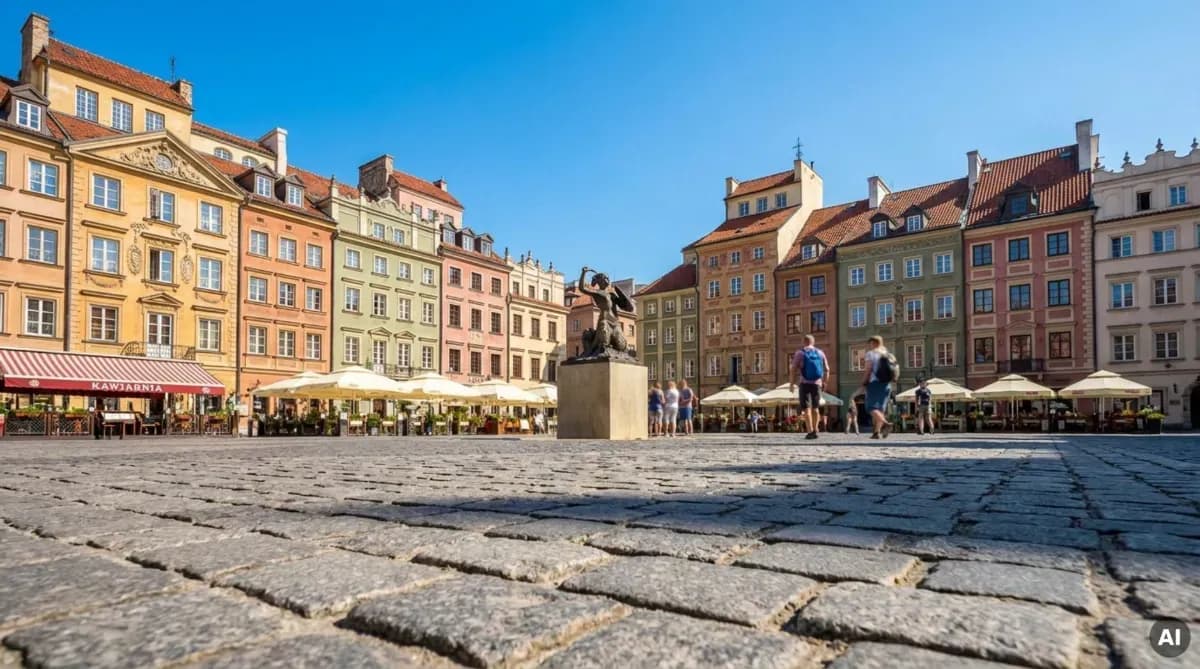
Stroll through the Market Square (Rynek Starego Miasta), framed by colorful townhouses and the bronze monument of the Warsaw Mermaid. Visit the Royal Castle (Zamek Królewski) to see the restored Great Assembly Hall and original works by Rembrandt. Afterwards, follow the Royal Route down Krakowskie Przedmieście toward Łazienki Park, home to tranquil gardens and the neoclassical Palace on the Isle.
Day 2: Drive from Warsaw to Kraków
Leave Warsaw behind and set your course south toward Małopolska. The transition from Poland's bustling commercial center to its historic royal capital is one of the trip's highlights.
Departing in the morning ensures a smooth journey and leaves you with plenty of afternoon daylight to settle into Kraków's medieval center.
How Long Is the Warsaw to Kraków Drive?
The drive from Warsaw to Kraków covers approximately 295 kilometers along the modern S7 expressway, taking between 3.5 and 4 hours under normal conditions. The route is divided highway the entire way, featuring modern rest areas (Miejsca Obsługi Pasażerów, or MOPs) with fuel stations, food courts, and coffee shops.
If you'd like to break up the drive, consider a short detour near Chęciny to view the ruins of its 13th-century Royal Castle perched on a rocky ridge, or stop for lunch near Kielce. Traffic can build up as you enter northern Kraków, so arriving early in the afternoon is recommended.
Afternoon: Explore Kraków's Main Market Square
Once you've settled into your hotel, make your way to Rynek Główny (the Main Market Square). Established in 1257, it's one of Europe's most expansive medieval town squares, anchored by the grand Cloth Hall (Sukiennice) and flanked by historic residences.
Take time to browse the amber and artisan stalls inside the Cloth Hall, or enjoy a table at an outdoor café. At the turn of every hour, listen for the traditional hejnał mariacki trumpet call sounded from the taller spire of St. Mary's Basilica, a musical ritual that has echoed over the city for centuries.
Day 3: Discover Kraków's Historic Sights
Kraków escaped widespread structural destruction during World War II, preserving an exceptional architectural heritage. Its quiet courtyards, Gothic spires, and cobblestone lanes reflect the height of the Polish-Lithuanian Commonwealth.
A full day in Kraków allows you to explore two distinct neighborhoods: the regal monuments of Wawel Hill and the bohemian streets of Kazimierz.
Morning: See St. Mary's Basilica, Cloth Hall and the Old Town
Start your morning at St. Mary's Basilica to admire its renowned wooden altarpiece, hand-carved by Veit Stoss in the late 15th century. Continue south along historic Grodzka and Kanonicza streets toward Wawel Hill.
Ascend the hill to explore the arcaded Italian Renaissance courtyard of the Royal Castle and Wawel Cathedral, the historic burial site of Polish monarchs and cultural figures. In the afternoon, stroll through the green Planty park belt into Kazimierz. Historically the heart of Jewish life in Kraków, Kazimierz is now packed with independent art galleries, vintage boutiques, and inviting cafés. Visit Plac Nowy to try a classic Kraków street food: the zapiekanka, a toasted open-faced baguette with sautéed mushrooms and cheese.
Day 4: Visit Auschwitz-Birkenau and the Wieliczka Salt Mine
Day 4 covers two world-renowned historical sites outside Kraków. The morning is dedicated to a sobering, educational visit to the Auschwitz-Birkenau Memorial, followed by an afternoon underground tour of the Wieliczka Salt Mine.
Because both locations receive high visitor volumes, reserving your tickets well in advance is essential for keeping your itinerary on schedule.
How Far Is Auschwitz From Kraków?
The Auschwitz-Birkenau Memorial and Museum is located in Oświęcim, roughly 70 kilometers west of Kraków. Depending on your chosen route-either via the A4 motorway or national road DK44-the drive takes about 1 hour and 15 minutes to 1.5 hours.
Morning commuter traffic around Oświęcim can be dense, so aim to depart Kraków by 7:30 AM to ensure you arrive at the visitor parking area with time to spare.
How Should You Book Tickets and Manage the Day's Timing?
Entry passes for Auschwitz-Birkenau should be booked months ahead via the memorial's official online portal. Reserve an early morning guided tour with an educator, ideally between 8:30 AM and 9:30 AM. A comprehensive visit covering both Auschwitz I and the extensive grounds of Birkenau takes approximately 3.5 hours.
Depart Oświęcim around 1:00 PM and head east to the Wieliczka Salt Mine, located just southeast of Kraków. The drive takes around 1 hour and 15 minutes via the A4 bypass. Book your entrance for the Tourist Route at approximately 3:30 PM. The underground tour descends several hundred steps into cavernous salt chambers, subterranean brine lakes, and the remarkable Chapel of St. Kinga, where everything from the altar to the chandeliers is sculpted from rock salt.
Day 5: Drive to Zakopane and See the Tatra Mountains
On your final day, leave the lowlands behind and drive into the rugged beauty of the Tatra Mountains. Zakopane, known as Poland's mountain capital, is famous for its distinctive wooden architecture, Podhale folk culture, and access to pristine alpine trails.
As you approach your destination, the dramatic profile of Mount Giewont rises above the valley, marking your arrival at Poland's southern border.
How Long Is the Kraków to Zakopane Drive?
The 100-kilometer drive from Kraków to Zakopane follows Route 47, locally known as the Zakopianka. The drive typically takes between 1.5 and 2 hours. Recent infrastructure upgrades, including new express bypasses and highway tunnels, have significantly improved traffic flow along this corridor.
During weekend peak times or seasonal holidays, localized delays can still occur near Nowy Targ. Heading out early in the morning guarantees a more relaxing drive and maximizes your time in the mountains.
What Short Hikes Suit First-Time Visitors?
For an accessible walk with exceptional scenery, head into Tatra National Park along the Kościeliska Valley (Dolina Kościeliska). This gentle, 6-kilometer gravel trail follows a rushing mountain stream beneath sheer limestone cliffs, leading directly to the Ornak mountain shelter (Schronisko Ornak), where you can sample fresh apple tart (szarlotka) and regional tea.
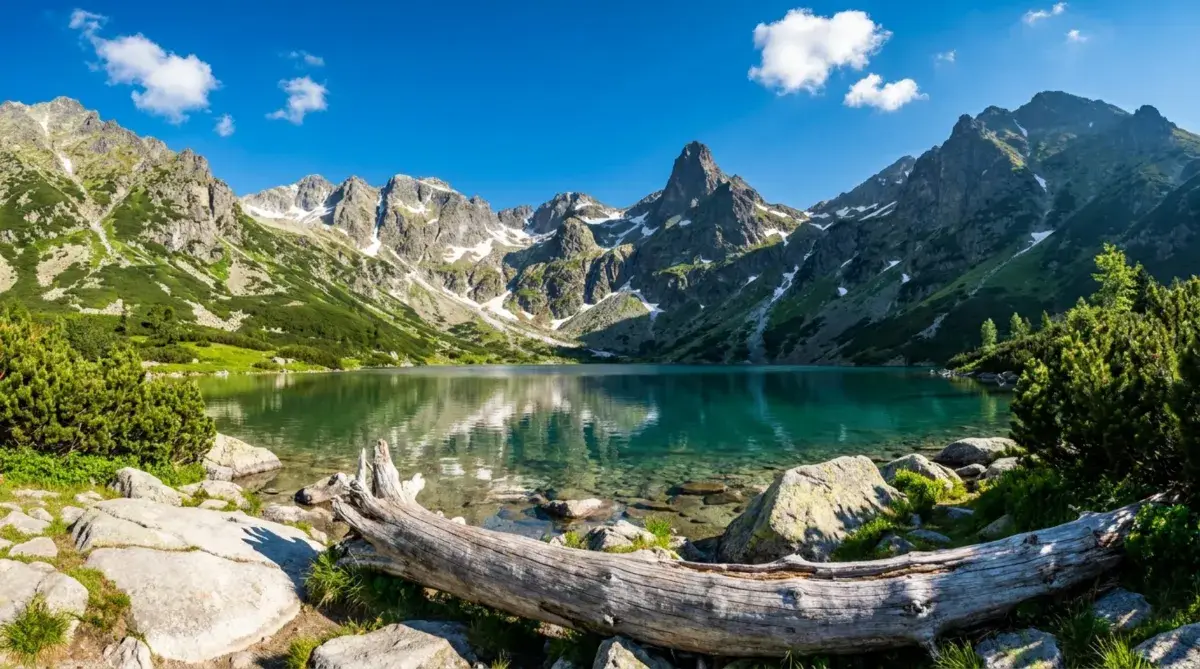
If you want iconic alpine views, consider the trek to Morskie Oko ("Eye of the Sea"). This paved 8-kilometer path begins at the Palenica Białczańska parking lot and ends at a turquoise glacial lake ringed by Poland's highest peaks. Parking at Palenica Białczańska must be reserved online before arrival. Alternatively, take the cable car from Kuźnice to Kasprowy Wierch for panoramic ridge views across the Polish and Slovak Tatras.
Final Tips for a Smooth First Visit to Poland
A successful self-drive tour often comes down to practical details. Selecting suitable accommodations, understanding local parking systems, and packing for varied elevations will keep your travel experience easy and convenient.
Keep these useful recommendations in mind as you finalize your travel arrangements.
How To Choose Accommodation With Free Parking
Central districts in Warsaw and Kraków operate paid parking zones (Strefa Płatnego Parkowania) with restricted hours, automated ticket machines, and resident-only bays. Finding street parking in historical quarters can be challenging and costly.
When booking hotels or apartments, prioritize properties that offer secure on-site parking or a private garage. In Kraków, staying just outside the pedestrianized Planty ring allows you to park your vehicle safely and explore the center entirely on foot. In Zakopane, traditional guesthouses (pensjonaty) almost always provide dedicated parking spaces for guests.
Clothing for Changing City and Mountain Weather
Poland's continental climate means weather conditions can shift quickly, especially between the central plains and the southern highlands. Temperatures in Zakopane are typically 5 to 10 degrees Celsius cooler than in Kraków, and mountain showers can develop unexpectedly.
Pack versatile layers, including a waterproof, wind-resistant outer shell, sturdy walking shoes for city streets, and proper footwear for national park trails. If you're visiting churches like St. Mary's or Wawel Cathedral, ensure your clothing respectfully covers shoulders and knees.
Driving Essentials, Travel Documents and Chargers
Before driving away from the rental desk, check that the vehicle registration document and insurance papers are safely stored in the glove compartment. If you intend to cross the border into Slovakia, confirm that cross-border travel is authorized in your rental agreement. Downloading offline navigation maps via Google Maps or maps.me is a smart move, as cellular coverage can occasionally drop in deep mountain valleys.
We recommend bringing a high-output 12V USB car charger and a reliable phone mount, though many of our modern rental cars feature integrated navigation, Apple CarPlay, and Android Auto. A portable power bank will also keep your mobile devices charged during day trips and hikes.
How To Pay, Access Mobile Data and Use Polish Currency
Poland uses the Polish Złoty (PLN) rather than the euro. The country features one of the most advanced digital payment systems in Europe, with contactless credit card, Apple Pay, and Google Pay terminals standard across hotels, restaurants, fuel stations, and mountain huts.
While cards are accepted almost everywhere, carrying 100 to 200 PLN in small denominations is helpful for municipal parking machines, public restrooms, and purchasing regional smoked oscypek cheese from roadside vendors. For mobile connectivity, international travelers can activate an eSIM prior to departure or pick up a local prepaid SIM card from providers like Play, Orange, or Plus at Warsaw Chopin Airport or any local Żabka store.
Ways to Adapt This Poland Road Trip Itinerary
Five days offers a memorable introductory tour of Poland's highlights, but extra time allows you to explore even more of the country's diverse landscapes. Poland's expanding highway network makes adding secondary destinations very manageable.
Whether you're interested in medieval history, dynamic architecture, or maritime coastlines, extending your trip is easy to arrange.
How To Extend the Trip to One Week
If you have seven days, consider driving west from Kraków to Wrocław. Renowned for its scenic river islands, Gothic Main Market Square, and hundreds of whimsical bronze dwarf statues, Wrocław is one of Poland's most picturesque cities. From there, the fast S8 expressway provides an effortless return drive back to Warsaw.
Alternatively, take a northern loop from Warsaw toward the Baltic coast. A seven-day northern itinerary lets you explore Malbork Castle-the largest brick castle in the world-before spending two days in the port city of Gdańsk. Stroll through Gdańsk's historic waterfront, tour regional amber workshops, and visit the seaside resort of Sopot to enjoy fresh Baltic seafood and the famous wooden pier.