29.09.2026
Renting a Car for a Weekend in Warsaw: Tips and Prices
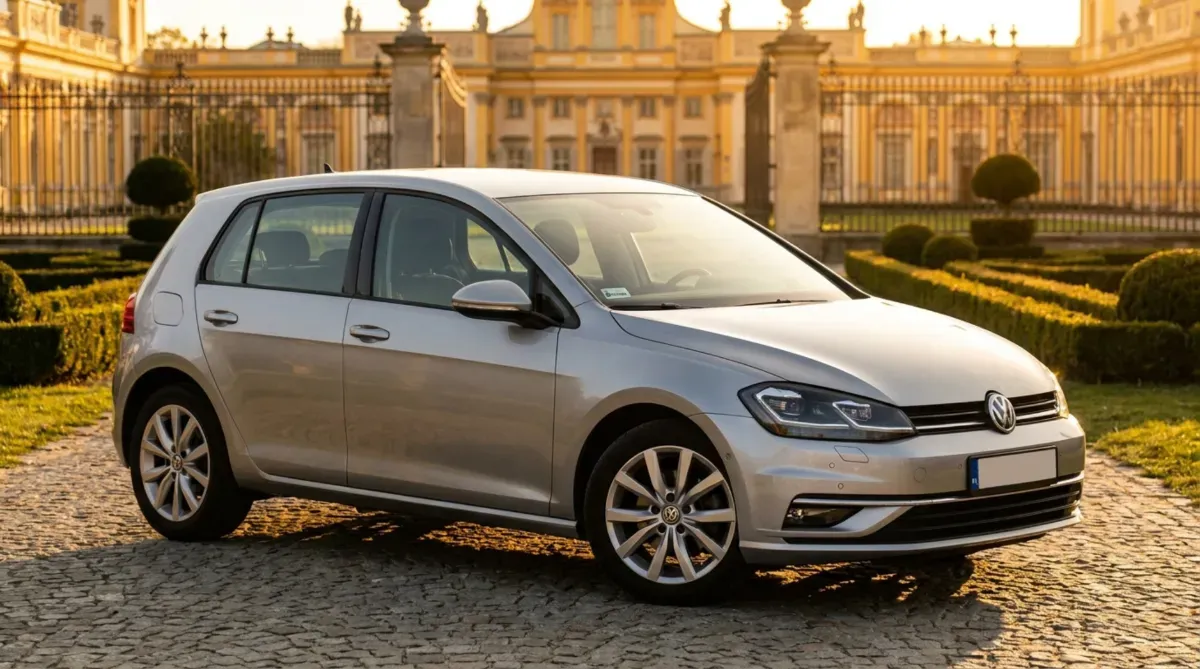
What does it cost to rent a car for a weekend in Warsaw, and when is it worthwhile? Weekend car rental rates in Warsaw typically range from 70 PLN to 130 PLN (€16 to €28) per day, giving you an affordable and flexible way to explore both the capital and central Poland's countryside on your own schedule.
Is Renting a Car for a Weekend in Warsaw Worth It?
Whether renting a car for 48 to 72 hours makes sense depends on your itinerary. Poland's modern highway network and expanding infrastructure make regional driving smooth and straightforward.
While Warsaw features a compact, pedestrian-friendly historic core, its wider metropolitan area contains significant cultural landmarks, historic estates, and nature reserves that are much easier to reach with a reliable vehicle.
Car rental rates in Poland remain competitive compared to Western European destinations like Germany or France. Even for solo travelers or couples, the daily rate offers strong value when you factor in comfortable travel, direct routing, and the freedom to explore at your own pace without relying on fixed transit schedules.
When a Rental Car Saves Time and Improves Access to Attractions
Having your own car is an advantage once your travel plans extend beyond Śródmieście and the Old Town (Stare Miasto). Top attractions like Wilanów Palace, the forested trails of Kampinos National Park, and Frédéric Chopin's birthplace in Żelazowa Wola are significantly faster to reach by car than by coordinating multiple suburban buses.
A car also simplifies evening plans, whether you're taking a scenic drive along the Vistula River or heading out to dinner in residential districts like Saska Kępa or Mokotów. You can keep your luggage secure in the trunk, travel in climate-controlled comfort, and skip the hassle of public transit transfers.
When Public Transport or Ride-Hailing Costs Less
If you plan to stay entirely within the city center-walking the Royal Route, exploring the POLIN Museum, and visiting the Royal Castle-a rental car might actually slow you down. Warsaw offers an efficient network of trams, buses, and two metro lines. Tickets cost just a few złoty, and transit often navigates dense downtown traffic faster than a personal car.
Ride-hailing services are also widely available and budget-friendly across central Warsaw. If you plan to sample local craft beers or tour historic Praga's nightlife, relying on public transit or taxis is far more practical. It also ensures you stay fully compliant with Poland's strict drink-driving laws.
How Warsaw Compares With Nearby Weekend Destinations
Warsaw serves as an ideal central hub for road trips across Poland. While Kraków is famous for its preserved medieval core and Gdańsk sits on the Baltic coast, Warsaw's central position connects directly to modern expressways leading across Mazovia.
Within a two- to three-hour drive, you can reach the Masurian lakes, the Gothic streets of Toruń, or the revitalized industrial architecture of Łódź. This central location makes Warsaw a convenient starting point for a two-day circular road trip combining urban landmarks, historic manors, and peaceful rural scenery.
How Much Does a Weekend Car Rental in Warsaw Cost?
Car rental rates in Poland are among the most reasonable in the European Union. Unlike seasonal Mediterranean destinations where prices can spike dramatically in summer, Warsaw's rental rates remain relatively stable and predictable throughout the year.
While summer brings steady demand, basic daily rates remain accessible. Shoulder months like June and September often feature especially attractive pricing for a weekend getaway.
Typical Rental Rates for 2-3 Days in PLN
A standard three-day weekend rental, running from Friday afternoon to Monday morning, typically costs between 200 PLN and 450 PLN (around €45 to €100) for an economy car or small hatchback. During quieter periods such as September, rates can dip near €16 (about 70 to 75 PLN) per day, making an entire weekend of transport comparable to the price of a single restaurant dinner.
During the peak summer months of July and August, average daily rates sit around €28 (approximately 120 to 130 PLN). Even during the winter holiday season and New Year's weekend, daily costs rarely exceed €25 (roughly 110 to 115 PLN), helping you keep your weekend travel budget fully under control.
What Affects the Final Weekend Rental Price
The base rate you see during booking isn't always the total charge on your statement. The vehicle segment you select is one of the primary cost factors. Compact hatchbacks are generally the most economical choice, whereas premium sedans, spacious SUVs, and passenger vans carry higher daily rates.
Transmission type also impacts pricing. Manual gearboxes remain common across Polish fleets and usually cost less than automatic alternatives. Your insurance selection plays a significant role as well: choosing comprehensive zero-excess protection will raise the base rate but provides substantial financial peace of mind.
Airport, City-Centre, and One-Way Surcharges
Your pickup location can influence the final invoice. Warsaw Chopin Airport and Warsaw Modlin Airport may include location or facility surcharges. However, strong provider competition at airports often offsets these fees, making airport collection just as cost-effective as downtown branches.
One-way rentals involve additional fees. Most providers support domestic one-way routes-such as picking up your car in Warsaw and dropping it off in Kraków, Gdańsk, or Wrocław-with an added relocation fee. International one-way trips, such as Warsaw to Berlin, carry significantly higher fees and require advance confirmation.
Fuel, Parking, Tolls, and Other Trip Expenses
Operating costs on Polish roads remain lower than in Western Europe, but they should still be factored into your travel budget. Fuel is sold by the liter, with prices averaging around 5.65 PLN per liter (€1.34), which is noticeably lower than in neighboring countries like Germany.
Tolls apply to certain sections of Poland's motorway network, including portions of the A2 running west from Warsaw toward Poznań. Toll plazas accept cash payments in PLN, EUR, and USD (with change returned in złoty), as well as major payment cards. Additional expenses include municipal parking, hotel garages, and optional equipment like child safety seats.
How Booking Early Can Reduce the Price
Reserving your vehicle several weeks ahead is the most reliable way to secure a favorable rate. As your travel date approaches, local availability decreases-especially for high-demand categories like automatic transmissions and family estates. When fleet availability tightens, base rates rise.
Booking early also lets you review terms carefully, check fleet specifications, and choose flexible cancellation options. Advance planning protects your budget against price surges during major conferences, sporting events, and summer festivals in the capital.
Where Should You Pick Up a Rental Car in Warsaw?
Warsaw features two commercial airports alongside multiple rental locations near the central rail station and key transit hubs. The best pickup spot depends on how you arrive, your schedule, and whether you want to hit the expressway immediately or check into your hotel first.
Reviewing branch operating hours and counter locations before reserving helps ensure a smooth start to your weekend journey.
Chopin Airport: Convenient But Potentially More Expensive
Warsaw Chopin Airport (WAW) is Poland's primary international gateway, handling over 40% of the country's passenger air traffic. Located in the Okęcie district roughly 10 kilometers southwest of the city center, it's quick and convenient to reach.
The arrivals area hosts established providers, including CarFree, offering modern vehicles with convenient terminal or nearby pickup. While airport fees can apply, the high concentration of rental vehicles maintains strong price competition, often making Chopin one of the most practical and economical pickup points in Warsaw.
Warsaw City Centre and Centrum Locations
If you arrive by train at Warszawa Centralna or plan to spend your first evening exploring on foot, collecting your car on Saturday morning in Śródmieście may be the ideal choice. Several branches operate near Aleje Jerozolimskie and Marszałkowska Street.
A downtown pickup saves you a trip back to the airport, though city branches typically maintain smaller fleets and shorter weekend operating hours. You'll also encounter downtown traffic and one-way systems immediately upon leaving the parking facility.
Modlin Airport: Transfer Time and Rental Considerations
Warsaw Modlin Airport (WMI) sits approximately 40 kilometers northwest of Warsaw, near Nowy Dwór Mazowiecki. It serves primarily low-cost carriers, making it a common arrival point for international weekend visitors.
Rental desks operate in the terminal, with some providers offering quick shuttles to nearby pickup yards. Modlin is an excellent starting point if you're heading directly north toward the Masurian Lake District, as you bypass metropolitan traffic entirely. If you're driving into central Warsaw, plan for a 45- to 60-minute journey along the S7 expressway.
How Pickup Hours Affect a Weekend Booking
Always check weekend branch schedules carefully before booking. Airport desks at Chopin generally operate extended hours to accommodate flight delays, while city center branches often close early on Saturday afternoon and may remain closed on Sunday.
An airport location provides greater flexibility if your return flight leaves late Sunday evening or early Monday morning. Arranging collection or return outside standard branch hours at downtown locations typically incurs an out-of-hours service fee.
What Documents and Requirements Do You Need?
Renting a car in Poland follows standardized European Union regulations. Checking your documentation in advance ensures you can pick up your vehicle quickly and start your journey without unexpected delays.
Keep your physical documents accessible so the counter team can process your agreement efficiently.
Driving Licence Requirements for Polish and Foreign Visitors
Drivers holding a valid license issued by an EU or European Free Trade Association (EFTA) member state can drive in Poland without supplementary permits. Your license must remain valid throughout the rental period, and most providers require you to have held it for at least one full year.
Polish residents can present their standard national driving license. Digital identity verification via the mObywatel app is increasingly accepted, though it's best to confirm this policy with your provider prior to arrival.
International Driving Permit Requirements
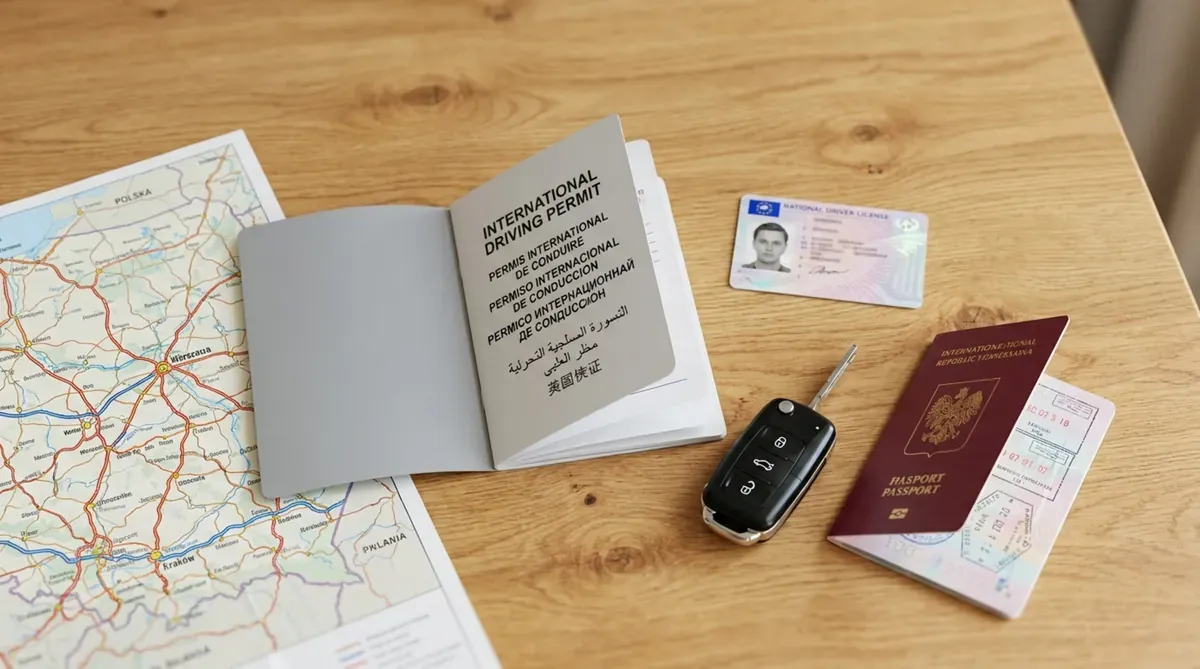
If your driver's license was issued outside the EU-including the United States, Canada, Australia, or the United Kingdom-you should carry an International Driving Permit (IDP) alongside your original domestic license. The IDP serves as an official multilingual translation of your credentials.
While some counters accept English-language licenses without an IDP, many Polish providers enforce the requirement strictly. Failing to present an IDP when requested can result in the counter withholding the vehicle, potentially forfeiting prepaid reservations.
Minimum Age and Young-Driver Fees
The statutory driving age in Poland is 18, but car rental providers set their own minimum age policies. Most companies require drivers to be at least 21 years old. Some providers permit 19- or 20-year-olds to rent economy vehicles, provided they have held their license for at least 12 months.
Drivers under the age of 25 typically incur a daily young-driver surcharge due to insurance underwriting standards. Some companies also apply senior driver policies for renters aged 70 or older. Always verify the age terms before completing your reservation.
Passport, Identity Card, and Booking Confirmation
You must present official photo identification at the rental counter. EU citizens can present a valid national ID card, while non-EU travelers must provide a valid passport, along with relevant Schengen visas or entry stamps where applicable.
It's also wise to bring a digital or printed copy of your booking confirmation showing your reservation reference, selected dates, included services, and pickup instructions. Polish traffic regulations require all drivers to carry valid photo identification while operating a motor vehicle.
Credit Cards, Debit Cards, Deposits, and Cash Payments
The primary driver must present a physical payment card in their own name to secure the rental deposit. Pre-paid cards, digital wallet cards, and payment cards belonging to secondary passengers are rarely accepted for deposit holds.
While cash is widely accepted across Poland for everyday purchases, rental providers don't accept cash for security deposits. Many established companies now accept debit cards for deposits, typically when paired with comprehensive zero-excess insurance packages.
Which Car Is Best for a Weekend in Warsaw?
Selecting the right vehicle depends on your planned route and party size. Warsaw features wide boulevards rebuilt after World War II, but historic districts and central parking garages often have tight clearances where compact models excel.
Matching your vehicle to your passenger count, luggage requirements, and driving routes ensures a relaxed, comfortable journey.
Small Cars for City-Centre Driving and Easier Parking
Mini and economy hatchbacks-such as the Toyota Yaris, Škoda Fabia, or Fiat 500-are practical options for urban exploration. They offer excellent fuel efficiency, maneuver easily through tight streets, and fit comfortably into standard street parking bays.
Unless your plans involve unpaved backroads in rural areas, a small hatchback handles Polish paved roads with ease. For solo travelers or couples carrying light luggage, an economy car delivers strong fuel economy and low rental costs.
Compact Cars for Warsaw and Nearby Day Trips
A compact vehicle like a Volkswagen Golf, Ford Focus, or Hyundai i30 provides greater versatility if you plan to drive on the S8 or A2 toward Kampinos National Park, Płock, or Radom. These models offer a quieter cabin, improved stability at highway speeds, and expanded trunk space for larger suitcases.
Compact cars balance easy city parking with comfortable highway cruising. They seat up to four adults comfortably and provide ample acceleration for merging safely onto busy motorways.
SUVs and Estate Cars for Groups and Luggage
Families traveling with strollers, child seats, or recreational equipment benefit from an estate (station wagon) or mid-size crossover SUV. Estate cars are particularly popular throughout Poland, providing cavernous cargo space alongside car-like handling and moderate fuel consumption.
SUVs offer an elevated driving position that enhances forward visibility in unfamiliar city traffic, alongside useful ground clearance for trailheads and forest parks. Keep in mind that full-size SUVs can be harder to maneuver in older underground parking garages. Browse the full range of available vehicles before booking to find the right fit for your group.
Automatic Versus Manual Transmission
Manual gearboxes remain the standard choice in Poland and represent the majority of available rental fleets. They generally offer lower daily rates, making them budget-friendly if you're comfortable operating a clutch.
Automatic vehicles are in high demand and limited supply, so we recommend booking yours well ahead of time. While they carry a slight price premium, an automatic transmission significantly reduces driving fatigue during peak Friday traffic on Warsaw's bridges.
Electric and Hybrid Rental Cars
Modern fleets in Poland increasingly feature hybrid and fully electric models, including vehicles from Toyota, Kia, and Tesla. Self-charging hybrids are particularly efficient for city driving, reducing fuel consumption in stop-and-go traffic without requiring charging stops.
Driving an EV in Warsaw comes with notable perks: electric cars are legally permitted to use designated bus lanes (buspas) and enjoy free parking in municipal on-street paid zones. If you plan countryside excursions, consult Polish EV charging maps in advance to identify high-speed charging points along your route.
What Insurance, Deposit, and Hidden Costs Should You Check?
Clear rental conditions are essential for stress-free travel. Your rental agreement defines your financial exposure, coverage parameters, and the security deposit pre-authorized on your card.
Reviewing these details before signing ensures you travel with confidence and avoid unexpected fees.
What Standard Insurance Usually Includes
All Polish car rental contracts include compulsory third-party liability insurance, known locally as OC (odpowiedzialność cywilna). This covers injury or property damage caused to third parties while operating the vehicle.
Most standard bookings also bundle basic Collision Damage Waiver (CDW) and Theft Protection (TP). These provisions don't eliminate financial liability entirely; rather, they cap your maximum out-of-pocket exposure at a defined deductible or excess amount.
Excess, Deposit, and Full-Cover Protection Options
Standard damage excess for an economy car typically ranges from 2,000 PLN to 6,000 PLN (€450 to €1,400). When you collect the car, the provider places a temporary pre-authorization hold for this amount on your payment card, releasing it once the vehicle is returned in good order.
To eliminate this exposure, you can opt for comprehensive zero-excess protection (Super CDW or Full Coverage). Purchasing full protection through the rental provider often reduces the required card hold to a small fuel deposit (around 300 to 500 PLN) and covers vulnerable components like glass, tires, mirrors, and undercarriage damage.
Mileage Limits and Per-Kilometre Charges
While many rentals in Warsaw include unlimited mileage, some discounted weekend packages impose a distance cap-frequently 200 to 300 kilometers per day, or 600 kilometers across a three-day weekend. This is plenty for exploring Warsaw and immediate surroundings, but extended trips to Białowieża or the coast could exceed the limit.
Excess mileage charges typically range from 0.40 PLN to 1.50 PLN per additional kilometer. Check your rental terms to ensure your package includes unlimited mileage if you plan an extensive road trip across Mazovia.
Additional-Driver, Late-Return, and Out-Of-Hours Fees
Insurance coverage applies exclusively to motorists registered on the rental agreement. Allowing an unregistered individual to drive can void your coverage, leaving you liable for damages. Most companies charge a nominal fee of 15 to 30 PLN per day to register an additional driver.
Rental durations are calculated in strict 24-hour cycles. If you pick up your car at 10:00 AM on Friday and return it at 12:00 PM on Sunday, that two-hour difference may trigger charges for a fourth rental day. Returning outside regular office hours may also incur a surcharge unless arranged beforehand.
Cross-Border Travel Restrictions and Charges
While Poland's Schengen borders with Germany, the Czech Republic, Slovakia, and Lithuania allow seamless road travel, you must obtain written authorization from your rental provider before taking a vehicle abroad. A cross-border administrative fee and specialized insurance usually apply.
Standard rental agreements strictly prohibit taking rental cars into non-EU eastern neighbors such as Belarus or Ukraine. Due to enhanced border security regulations, avoid operating rental vehicles within close proximity to non-EU border perimeters.
How to Rent a Car in Warsaw for a Weekend
Renting a car in Warsaw is straightforward when you follow a clear, organized process. These practical steps will help you secure transparent conditions and avoid misunderstandings at pickup or drop-off.
Follow this checklist from your initial search to hitting the road.
1. Choose the Rental Dates and Pickup Location
Structure your rental period in precise 24-hour blocks to avoid paying for an extra day. For instance, book from Friday at 5:00 PM to Sunday at 5:00 PM.
Select a pickup location that aligns with your arrival logistics. If you land late at Chopin or Modlin, picking up at the terminal is seamless. If arriving by train, choosing a branch near Warszawa Centralna saves transit time.
2. Compare Cars, Mileage Limits, and Payment Terms
Review available models and provider policies through trusted booking channels, paying close attention to verified customer reviews. Prioritizing providers with high service ratings helps ensure transparent rental terms and well-maintained vehicles.
Carefully evaluate the specific terms for each offer, checking mileage allowances, deposit requirements, accepted card types, and insurance excesses before confirming. Our short-term rental page outlines these details clearly for weekend bookings.
3. Add Protection, Child Seats, and Other Extras
Determine your preferred level of damage protection. Selecting zero-excess cover directly from the provider safeguards you against costs from parking scuffs or minor stone chips.
Add necessary child safety seats during booking, as Polish law requires certified child restraints for passengers under 150 cm in height. While dedicated GPS units are available, modern smartphone apps like Google Maps and Waze provide accurate, real-time traffic navigation throughout Poland.
4. Prepare Your Documents and Payment Card
Gather your documentation in advance. You'll need your valid passport or EU national ID, physical driving license, International Driving Permit (if required based on your home country), and your booking voucher.
Ensure the primary driver's credit card has sufficient available balance to cover the deposit pre-authorization, and check that your daily spending limit allows the transaction to process smoothly.
5. Inspect the Vehicle and Record Existing Damage
Take time to inspect the car before driving off the lot. Examine the body panels, alloy wheels, bumpers, lighting elements, and windshield closely.
Verify that every pre-existing scuff, scratch, or dent is recorded on the vehicle condition report. If you spot unlisted damage, ask the attendant to note and sign off on it before you leave. We also recommend recording a slow, high-definition walkaround video and taking detailed photos of the vehicle's exterior and glass in good lighting.
6. Confirm the Return Time and Fuel Policy
Check the instrument cluster before departing. Confirm that the fuel level matches the handover sheet, snap a photo of the starting odometer, and review the fuel policy.
Most rentals operate on a "Full-to-Full" basis: you collect the car fully fueled and must return it with a full tank to avoid refueling penalties. Confirm the exact drop-off address and any gate access codes needed for an after-hours return.
How Should You Drive and Park in Warsaw?
Driving in Poland is generally smooth and intuitive once you're familiar with standard rules of the road. Traffic moves on the right, and major roadways feature clear signage and visible markings.
While local drivers can be assertive when merging, adopting a calm, observant driving style ensures a safe and comfortable trip.
Speed Limits, Speed Cameras, and Traffic Rules
Unless indicated otherwise by road signs, standard statutory speed limits across Poland are:
20 km/h (12 mph): Residential zones (strefa zamieszkania), where pedestrians have complete right of way.
50 km/h (31 mph): Built-up urban areas.
90 km/h (56 mph): Standard single-carriageway roads outside urban zones.
100 km/h (62 mph): Dual-carriageway rural roads and single-carriageway expressways.
120 km/h (74 mph): Dual-carriageway expressways (indicated by white car icons on blue signs).
140 km/h (87 mph): Motorways designated with the letter "A" (such as the A2).
Fixed yellow speed cameras (fotoradary) are common throughout Poland, particularly near pedestrian crossings and hazardous intersections. Fines incurred by rental cars are forwarded to the provider, which processes the penalty and assesses an administrative fee. Daytime running lights or dipped headlights must remain switched on at all times, year-round.
Poland enforces strict drink-driving laws: the legal blood alcohol limit is just 0.02% for all motorists. Operating a vehicle above 0.02% triggers severe fines and driving disqualifications, while levels exceeding 0.05% constitute a criminal offense punishable by imprisonment. Handling a mobile phone while driving is strictly illegal unless using a hands-free setup.
Rush-Hour Traffic and Difficult Driving Corridors
Warsaw experiences predictable traffic congestion on weekday mornings between 7:30 AM and 9:30 AM, and on Friday afternoons from roughly 3:30 PM to 6:30 PM. Congestion concentrates heavily around bridges spanning the Vistula River, including Poniatowski, Łazienkowski, and Grota-Roweckiego.
Pay close attention to dedicated bus lanes (buspas), reserved for municipal transit, emergency vehicles, and authorized electric cars during designated peak hours. Prominent street markings and roadside signs indicate operational hours. Traffic cameras monitor these lanes, and unauthorized use leads to automated fines.
Paid Parking Zones and Weekend Parking Rules
Central Warsaw operates a municipal Paid Parking Zone known as the SPPN (Strefa Płatnego Parkowania Niestrzeżonego). On weekdays, parking in this zone requires payment between 8:00 AM and 8:00 PM.
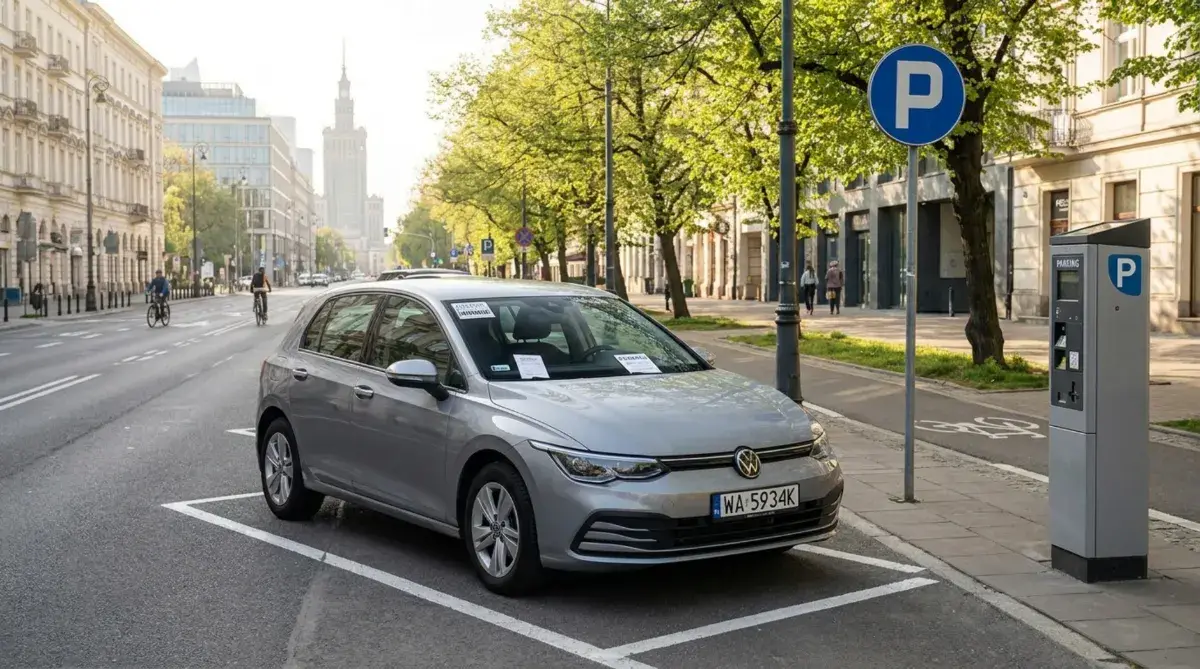
A major advantage for weekend travelers is that municipal on-street parking across the SPPN is free on Saturdays and Sundays. You can park in designated street bays downtown without paying at parking meters. Note that this exemption applies only to municipal street bays, not to private parking lots or underground commercial garages.
Parking Garages, Residential Areas, and Restricted Spaces
Always park within designated white parking lines. Polish regulations strictly prohibit parking within 10 meters of road junctions, pedestrian crosswalks, or tram stops. Municipal city guards (Straż Miejska) actively enforce parking rules using wheel clamps and towing.
Watch out for bays marked “Tylko dla mieszkańców” (Residents Only), which require specific residential permits. If street parking near the Old Town is full, use secure underground garages, such as the subterranean facility beneath Plac Krasińskich or commercial parking near the Palace of Culture and Science.
Fuel Prices, Petrol Stations, and Winter Tyres
Service stations are plentiful throughout Warsaw and along all major transit corridors, with prominent networks including Orlen, Moya, BP, Circle K, and Shell. Most highway service plazas operate 24/7 and feature convenience markets, dining options, and clean amenities.
Green pump nozzles dispense unleaded petrol (labeled PB 95 or PB 98), while black nozzles dispense diesel (labeled ON, for olej napędowy). Rental vehicles operating between November and March are routinely fitted with winter or all-season tires, ensuring dependable grip in cold conditions.
How To Drive Safely Outside Warsaw
Once you exit Warsaw's outer ring road, you'll enter the quiet, scenic landscapes of Mazovia. Rural two-lane roads require attentive driving; keep an eye out for agricultural machinery, roadside cyclists, and changing road surfaces.
Central Poland's woodlands support thriving wildlife populations, including deer, wild boar, and moose (elk). Animals are most active near dawn and dusk, especially around Kampinos National Park and forested stretches of the S7. Reduce your speed through wooded areas and heed wildlife warning signs.
How Should You Return a Weekend Rental Car?
A systematic vehicle return ensures your rental concludes smoothly with no unexpected post-trip charges. Allocate 20 to 30 minutes for the return process so you can complete the handover without rushing.
Follow these standard steps for a clean and well-documented return. If your weekend plans expand into a longer trip, check whether your booking can be extended, or compare it against our medium-term rental options for stays beyond a month.
Fuel Level, Mileage, Cleanliness, and Damage Checks
If your rental operates under a Full-to-Full policy, fill the fuel tank at a station within 5 to 10 kilometers of the return branch. Retain your fuel receipt as proof of top-up.
Check the cabin thoroughly before handing over the keys. Inspect cup holders, seatback pockets, the glove compartment, and the trunk for personal items like sunglasses, phone chargers, or travel documents. If the car gathered heavy dirt or mud on rural tracks, a quick exterior wash helps avoid professional detailing fees.
Late Returns and Extensions
Contact your provider right away if traffic delays threaten your return schedule. Most companies offer a short grace window (often up to 29 minutes), after which an additional full rental day and late fees may apply.
If you decide to extend your journey by another day, notify the rental company before your contracted drop-off time. A formal extension ensures your insurance coverage and rental agreement remain fully valid.
After-Hours Drop-Off and Key Handover
If returning your vehicle after business hours on Sunday, park in your provider's designated rental bays. Take clear photos documenting the parked car's position, exterior condition, fuel gauge reading, and final odometer.
Lock the vehicle and place the keys into the dedicated secure drop box, typically labeled Wrzutnia kluczy. Confirm that the keys drop completely inside the safe. If the lot uses an automated barrier ticket, leave it securely inside the vehicle as instructed by the branch.
Final Inspection, Deposit Release, and Receipt
Whenever feasible, return the vehicle during normal branch hours so an agent can conduct a physical inspection with you. Walk around the car together, comparing its return condition against the original handover form. Once verified, request a signed return receipt confirming the vehicle was returned full of fuel and free of new damage.
Retain your rental contract, photos, and final receipt for your records. The pre-authorization hold on your payment card is typically released within 7 to 14 business days, depending on your card issuer's banking process, bringing your Warsaw weekend rental to a smooth and successful finish.